The team at Harvard Medical School’s Laboratory of Systems Pharmacology are focused on cancer and on analyzing the ways cancer drugs affect the whole body. They aim to reinvent the drug development process through this systems approach, by going much deeper than would scientists supervising a typical clinical trial and by establishing a new model of collaboration. Peter Sorger, head of the Program in Therapeutic Science and professor of systems pharmacology, and Jerry Lin, research fellow in systems biology, are quoted.
People with compulsive urges to pull hair, pick skin and bite nails struggle to stop. But there are treatments to help. Nancy Keuthen, associate professor of psychology at Massachusetts General Hospital, is quoted.
Carolyn Kaelin, assistant professor of surgery at Brigham and Women’s Hospital, a breast cancer surgeon who continued her research and advocacy for patients after her own diagnosis of breast cancer ended her surgical career, died on July 28.
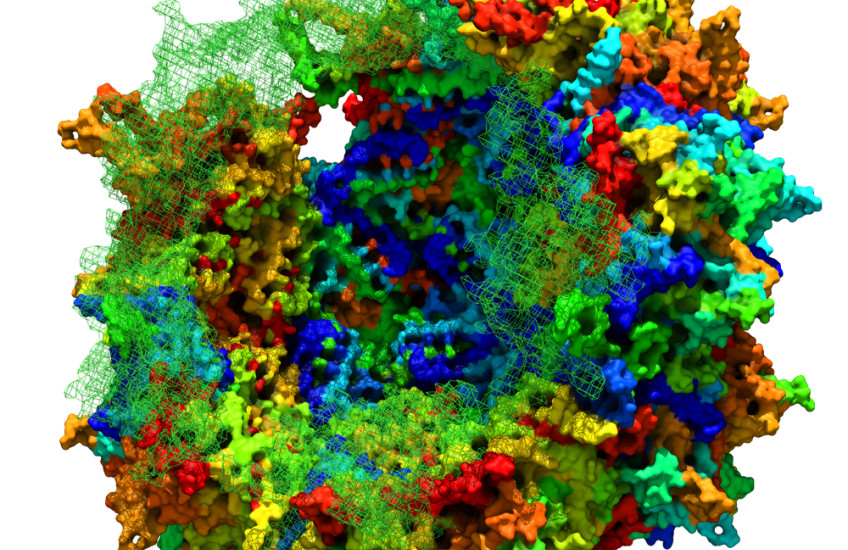
What if all the information on the internet could be stored in a drop of liquid the size of a quarter? George Church, professor of genetics, is quoted.
Some babies born just a week or two premature may later be developmentally unprepared for kindergarten, and screening these children at age two may not accurately predict whether they will be among the ones most at risk for falling behind in school, a new study suggests. Melissa Woythaler, instructor in pediatrics at Massachusetts General Hospital, is the study’s lead author.
Anita Kurmann, research fellow in medicine at Beth Israel Deaconess Medical Center and an endocrine surgeon who wanted to put her medical training to use in a research lab, died on August 7.
Douglas Jacobs, associate professor of psychiatry at McLean Hospital, wrote this letter to the editor about the importance of seeking treatment for depression.
Scientists at Joslin Diabetes Center have made a promising discovery related to Type 1 diabetes, saying that they have pinpointed a way to predict, and possibly prevent, diabetes complications. Rohit Kulkarni, associate professor of medicine at Joslin Diabetes Center, is senior author of the study.
In the corporate setting, the mindfulness movement is purportedly about changing the culture so that both employee and employer can better contribute to the well-being - physical, emotional, financial - of one another. Simply put, it’s supposed to make the office a nicer place. Darshan Mehta, instructor in medicine at Massachusetts General Hospital, is quoted.
A federal judge barred the Food and Drug Administration from blocking a drug company’s efforts to promote an unapproved use for pills derived from fish oil, saying the firm’s claims are protected by the First Amendment. Jerry Avorn, professor of medicine at Brigham and Women’s Hospital, is quoted.