A new study finds that birth control pills have prevented 400,000 cases of endometrial cancer, which develops in the lining of the uterus, over the past 50 years. JoAnn Manson, professor of women’s health at Brigham and Women’s Hospital, is quoted.
Regularly eating chili peppers, other hot foods linked to lower risk of death during study period. Lu Qi, associate professor of medicine at Brigham and Women’s Hospital, is a co-author of the study.
Carolyn Kaelin, assistant professor of surgery at Brigham and Women’s Hospital, who was the youngest woman to hold the position of founding director of the Comprehensive Breast Health Center at Brigham and Women’s Hospital, died on July 28, 2015.
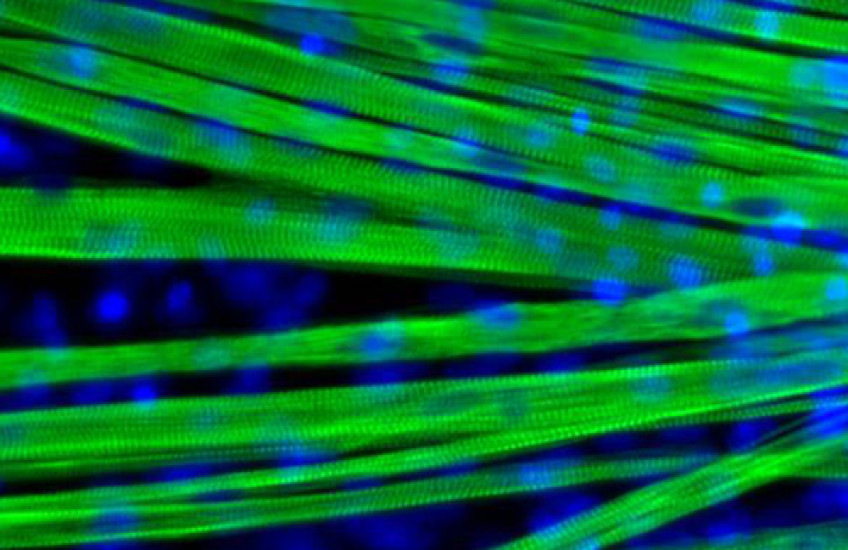
Researchers found that by identifying and mimicking important developmental cues, they would be able to push cells to grow into muscle fibers. Olivier Pourquie, professor of pathology at Brigham and Women’s Hospital, is the senior author of the study.
Researchers are borrowing designs from the natural world to advance biomedicine. Jeffrey Karp, associate professor of medicine at Brigham and Women’s Hospital; Donald Ingber, Judah Folkman Professor of Vascular Biology at the Wyss Institute; and Omid Farokhzad, associate professor of anaesthesia at Brigham and Women’s Hospital, are quoted.
Researchers deploy ancestors of today’s adeno-associated viruses to deliver gene therapies without immune system interference. Luk Vandenberghe, assistant professor of ophthalmology at Massachusetts Eye and Ear, is senior author of the study.
The largest study to examine persistent pulmonary hypertension in newborns exposed to antidepressants late in pregnancy found little association with either SSRI or non-SSRI antidepressants, and the potential risk with SSRIs to be smaller than previous studies have suggested. Krista Huybrechts, assistant professor of medicine at Brigham and Women’s Hospital, is the lead author of the study.
Scientists have successfully reconstructed a virus thousands of years after it became extinct, a development they believe could herald a new step in treating genetic diseases such as cystic fibrosis and muscular dystrophy. Luk Vandenberghe, assistant professor of ophthalmology at Massachusetts Eye and Ear, is quoted.