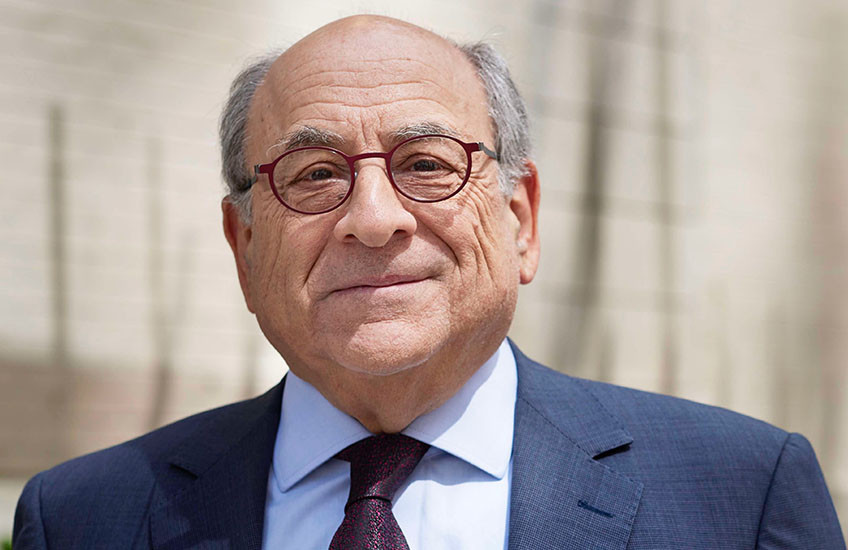
Stuart Orkin, the Harvard Medical School David G. Nathan Distinguished Professor of Pediatrics at Dana-Farber Cancer Institute and Boston Children’s Hospital, has been awarded the 2026 Breakthrough Prize in Life Sciences. He shares the award with Swee Lay Thein, senior investigator and chief of the Sickle Cell Branch of the National Heart, Lung, and Blood Institute at the National Institutes of Health.
The annual $3 million prizes honor transformative advances toward understanding living systems and extending human life.
Orkin and Thein received the award for determining the mechanism behind the body’s transition from fetal hemoglobin to adult hemoglobin and validating its potential as a therapeutic target for two major inherited diseases: sickle cell disease and beta-thalassemia. Their work has led to transformative treatments and cures.
“This story powerfully illustrates the importance of basic science in fueling therapies that transform human lives,” said HMS Dean George Q. Daley. “Stu’s discoveries — enabled by his elegant unification of hematology, molecular biology, and genetics — have transformed our understanding of some of the most recalcitrant blood disorders and have enabled the design of treatments for them.”
“This year’s laureates show what great science can do — deepen our understanding of the world and lead to discoveries that improve millions of lives,” said Breakthrough Prize co-founders Mark Zuckerberg and Priscilla Chan. “We’re proud to recognize their work.”
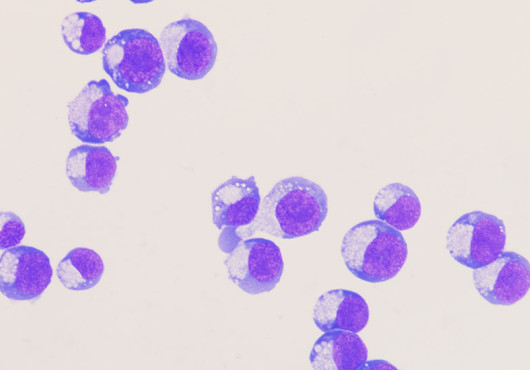
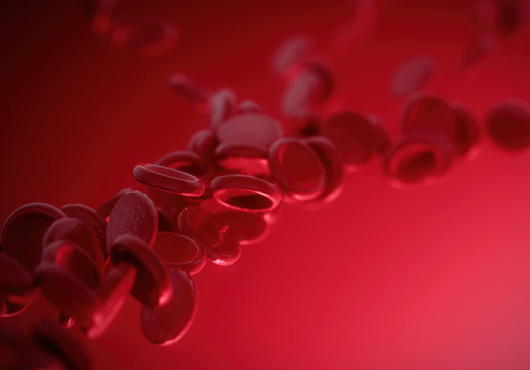
Sickle cell disease and beta-thalassemia are both caused by mutations in hemoglobin, the protein in red blood cells that carries oxygen throughout the body. In sickle cell disease, the hemoglobin mutations cause red blood cells to stiffen and change shape, which can result in pain, anemia, blood clots, strokes, organ damage, and premature death. In beta-thalassemia, mutations reduce the production of healthy hemoglobin, potentially causing severe anemia, growth abnormalities, and other serious issues and often requiring lifelong blood transfusions. These blood disorders affect millions of people around the world.
Orkin has been studying blood disorders for the last 50 years. He mapped the genetics of thalassemia — the first comprehensive molecular analysis of an inherited disorder — and spent decades investigating the switch between fetal hemoglobin and adult hemoglobin.

By the mid-20th century, scientists knew that the body produces fetal hemoglobin while in utero and then switches to the adult version around the time of birth. By the 1980s they had also noted that people with higher amounts of fetal hemoglobin retained in adulthood tended to have milder cases of sickle cell disease and beta-thalassemia — indicating that mutations in the adult form are responsible for these diseases, while the fetal form protects against them.
Researchers realized that if they could figure out what causes the body to stop making fetal hemoglobin and start making adult hemoglobin, they might be able to reverse that switch and mitigate or even cure sickle cell disease and beta-thalassemia.
In the mid-2000s, Thein identified genes associated with having fetal hemoglobin production persist into adulthood. She subsequently identified the gene BCL11A as the key genetic player.
Orkin and his colleagues made the same discovery, demonstrating in 2008 that BCL11A functions as the master repressor of fetal hemoglobin after birth. They went on to show that knocking out BCL11A in mice with sickle cell disease increased levels of fetal hemoglobin and eliminated disease symptoms.
Additional research in the Orkin Lab narrowed the target down to a small region of the gene, where a single alteration — made with the CRISPR/Cas9 gene-editing tool — would specifically limit the action of BCL11A in red blood cells.
The discovery has been developed into a cure for sickle cell disease and beta-thalassemia that was approved by the FDA for use in the United States in 2023 — the world’s first approved CRISPR-based gene therapy.
It took many people many years to achieve the goal, said Orkin, who is also a Howard Hughes Medical Institute Investigator.
“Winning the award is gratification for lots of hard work by many people — many trainees as well as colleagues and collaborators,” he said.
He added that the work demonstrates the tremendous impact basic research can have on new treatments and new discoveries that benefit patients.
“It’s very important, especially at this time when there’s some question about what is the value or the purpose of research,” he said.
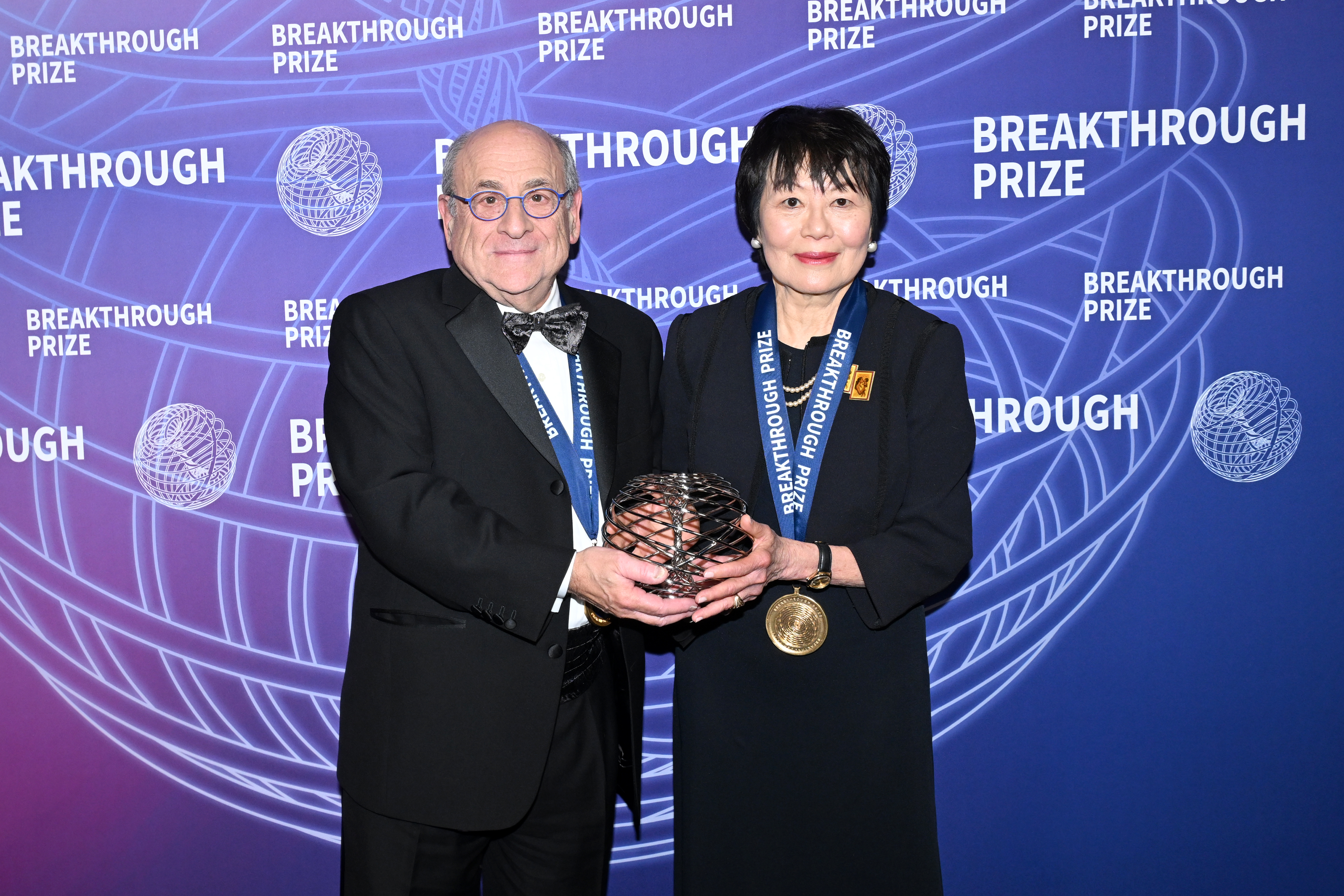
Orkin’s work has been recognized with multiple prestigious awards and memberships, including the 2022 Canada Gairdner International Award, the 2021 Gruber Genetics Prize, the 2020 King Faisal Prize in Medicine, and the 1993 Warren Alpert Foundation Prize; awards from the American Society of Human Genetics, American Society of Hematology, American Association of Physicians, and Association of American Medical Colleges; inclusion in two TIME100 lists; and election to the National Academy of Sciences, National Academy of Medicine, American Academy of Arts and Sciences, and American Philosophical Society.
Orkin and Thein previously shared the 2024 Shaw Prize in Life Science and Medicine.
The Orkin Lab continues to seek deeper understanding of how fetal hemoglobin silencing is controlled. The team is also investigating whether the switch can be reversed with a pill-based medicine as an alternative to gene therapy, which requires bone marrow transplantation, is costly, and is accessible to only a portion of patients with sickle cell disease or beta-thalassemia.
Previous HMS recipients of the Breakthrough Prize include Joel Habener, Alberto Ascherio, Stephen Elledge, and Nobel laureate Gary Ruvkun.
Two other Breakthrough Prizes in Life Sciences were awarded this year, to researchers who developed the first FDA-approved gene therapy for a genetic disease (for inherited retinal degeneration) — including HMS alumni Jean Bennett and Albert Maguire — and researchers who discovered the most common genetic cause of ALS and frontotemporal dementia, including Bryan Traynor, former HMS instructor in neurology at Massachusetts General Hospital and Brigham and Women’s Hospital who earned a master of medical science through the Harvard-MIT Program in Health Sciences and Technology (HST).
The awards were bestowed on April 18 in Los Angeles at a gala ceremony designed to celebrate laureates’ achievements and inspire the next generation of scientists.
For 14 years, Breakthrough Prizes have been awarded in the fields of life sciences, fundamental physics, and mathematics, in addition to New Horizons in Physics, New Horizons in Mathematics, and Maryam Mirzakhani New Frontiers Prizes for early-career researchers.
The Breakthrough Prizes were founded by Sergey Brin, Priscilla Chan and Mark Zuckerberg, Julia and Yuri Milner, and Anne Wojcicki and have been sponsored by foundations established by them. Selection committees composed of previous prize laureates in each field choose the winners.
Includes material adapted from a Breakthrough Prize Foundation press release.