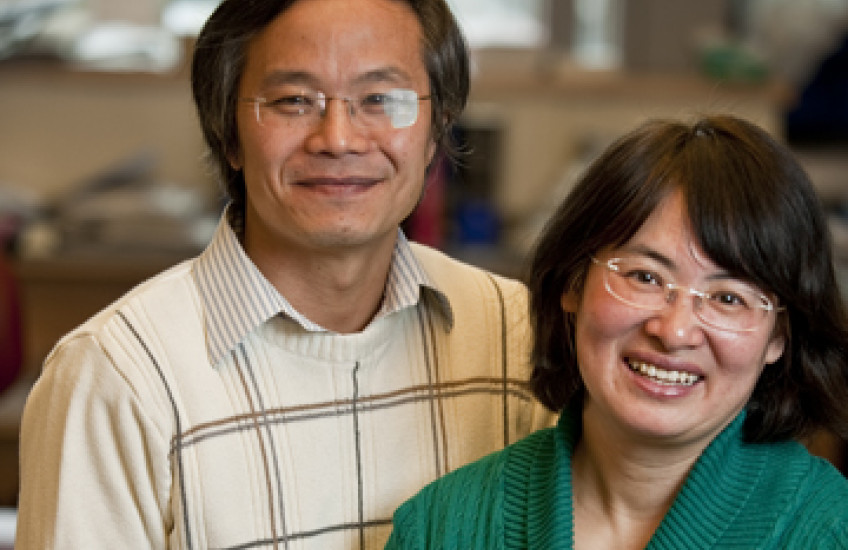
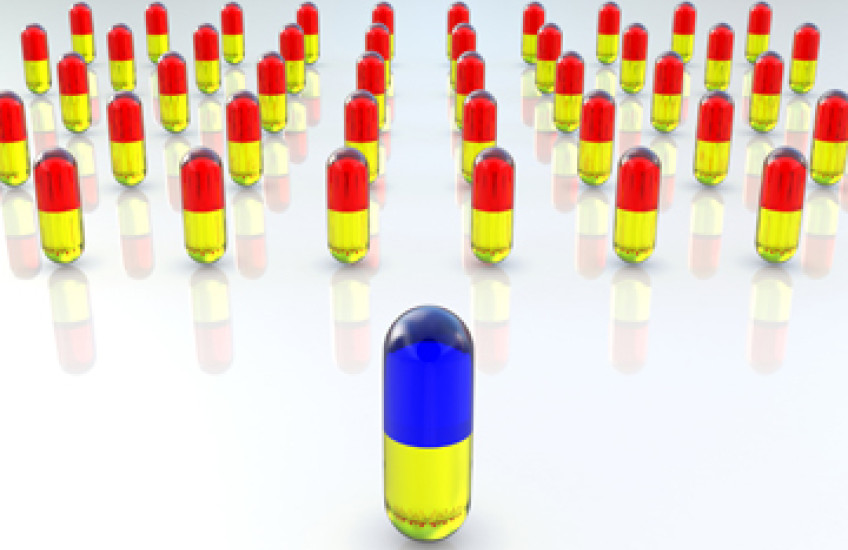
A provocative new paper introducing the concept of a “placebome” — that is, the complex interplay between genetics and an individual’s response to placebos — raises questions that might ultimately lead to changes in how clinical studies of drugs are evaluated. Kathryn Hall, research fellow in medicine at Beth Israel Deaconess Medical Center, led the study.
Even as nursing homes are busily investing in luxury living quarters, the quality of care is strikingly uneven. And it is clear that many of the homes are not up to the challenge of providing the intensive medical care that rehabilitation requires. David Grabowski, professor of health care policy, is quoted.
The state of California is launching a US$3-million precision-medicine project. The effort will draw on vast amounts of data from basic research, medical records and other information to develop more-targeted therapies and diagnostics and inform decisions about individual patient care. Isaac Kohane, co-director of the Center for Biomedical Informatics and Lawrence J. Henderson Professor of Pediatrics at Boston Children’s Hospital, is quoted.
A recent study has found that Massachusetts health care reform didn’t completely eliminate the barriers people experienced to receiving care, showing that although more people had health insurance, preventable hospitalizations stayed high. Danny McCormick, an associate professor at Harvard Medical School, associate professor of medicine at Cambridge Health Alliance, is the study’s lead author.
There’s no question mammograms can save lives by detecting breast cancer early. But they can also result in unnecessary testing and treatment that can be alarming and costly. In fact, each year the U.S. spends $4 billion on follow-up tests and treatments that result from inaccurate mammograms, scientists report in a new study. Kenneth Mandl, professor of pediatrics at Boston Children’s Hospital, led the study.
Some people feel better after placebo treatments, while others feel no difference unless the drugs are real. A new paper argues that the difference may come down to genetics. Kathryn Hall, research fellow in medicine at Beth Israel Deaconess Medical Center, is the paper’s lead author
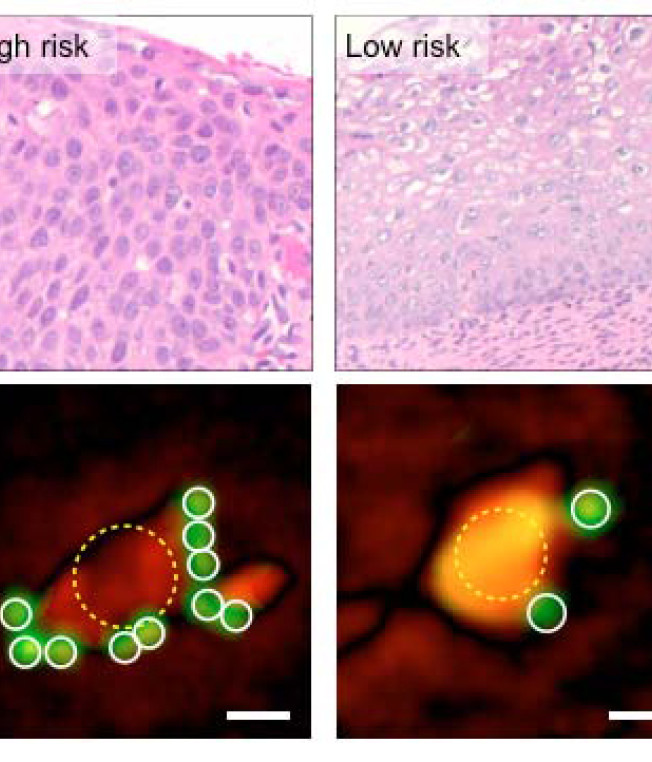
A selfie might save your life. The camera on your phone could be used to test for cervical cancer and HPV, a virus that can lead to the disease. Ralph Weissleder Thrall Family Professor of Radiology at Massachusetts General Hospital, led the research team. Cesar Castro, instructor in medicine at Massachusetts General Hospital, a member of the research team, is quoted.