A culturally tailored meal program rooted in traditional Diné (Navajo) foods significantly reduced hospitalizations and emergency department visits among heart failure patients in rural Navajo Nation, according to a new randomized clinical trial led by researchers at Brigham and Women’s Hospital, Harvard Medical School, the University of Pennsylvania, and Gallup Indian Medical Center in New Mexico.
The study, known as MUTTON-HF (Medically Utilized Tailored Traditional foods to Optimize Nutrition in Heart Failure), included 206 adults receiving care at two Indian Health Service sites who were randomized to receive usual care or eight weeks of medically tailored meals incorporating traditional Diné ingredients and recipes.
The authors believe the trial represents the first Indigenous “Food Is Medicine” intervention to improve cardiovascular health outcomes. Other studies of medically tailored meal programs for heart failure have focused on the post-hospital discharge period and urban populations, they wrote.
The findings, published July 27 in JAMA Internal Medicine, underscore the potential of such interventions to address nutrition insecurities. They also strengthen evidence in support of efforts in many Indigenous communities to improve health and well-being by restoring traditional foodways.
“Food heals in many ways: through good nutrition, culture, identity, and connection,” said senior author Sonya Shin, HMS associate professor of medicine, part-time, at Brigham and Women’s. “This intervention demonstrates that culturally grounded approaches are not only respectful but also clinically effective.”

Nutrition insecurity — limited access to healthy, affordable food — is a major driver of cardiovascular disease in many Indigenous communities, including Native American communities. The MUTTON-HF program was designed in partnership with community members to address these challenges while reinforcing cultural identity and traditional food systems.
Researchers found that within 90 days, 40.6 percent of participants receiving the tailored meals experienced a hospitalization or emergency room visit, compared to 57.0 percent in the usual care group — a statistically significant reduction. Hospitalizations alone were cut by more than half (12.3 percent vs. 26.0 percent), and heart failure-specific hospitalizations were markedly lower (3.8 percent vs. 13.0 percent).
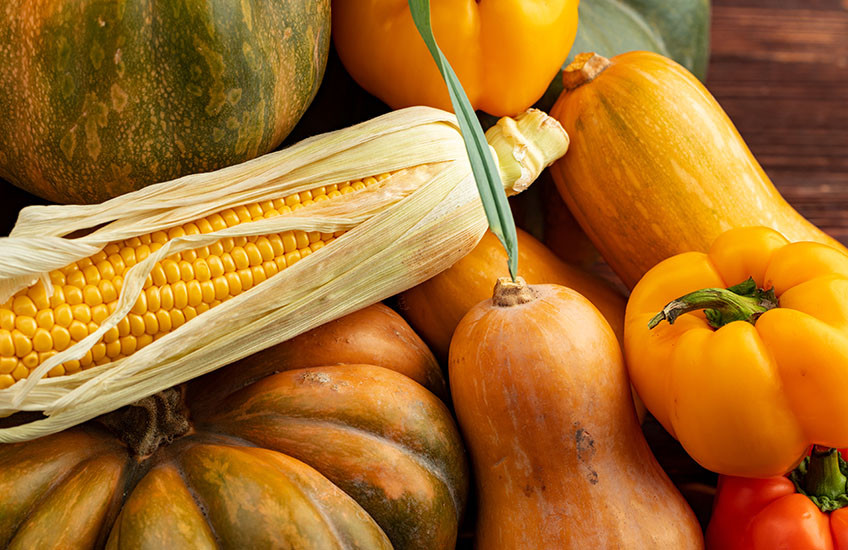
Meals were developed in partnership with Navajo dietitians and farmers and Tocabe, a Native-run kitchen, ensuring alignment with American Heart Association dietary guidance while incorporating locally sourced, culturally meaningful ingredients. Participants received two meals daily for eight weeks, along with support such as food distribution hubs and, when needed, appliances like microwaves or propane-powered refrigeration.
“This study shows the power of centering communities and leveraging their assets to advance holistic health and well-being,” said first author Lauren Eberly, assistant professor of cardiovascular medicine in the Perelman School of Medicine at the University of Pennsylvania. “By integrating traditional Indigenous foods with evidence-based nutrition for heart failure, we were able to significantly improve outcomes in a population that has long faced structural barriers to cardiovascular health.”
Beyond reduced hospitalizations, the intervention group demonstrated meaningful improvements across several secondary outcomes. Participants reported a better quality of life, as measured by the Kansas City Cardiomyopathy Questionnaire, alongside decreased food insecurity and reduced financial strain. Clinically, they experienced significant reductions in both weight and blood pressure. Additionally, dietary habits improved, with participants increasing their intake of fruits and vegetables.
“This is a powerful example of how health systems can partner with communities to co-create solutions that are both effective and sustainable,” Eberly said. “Programs like this can help reshape how we think about chronic disease management.”
Adapted from a Mass General Brigham news release.
Authorship, funding, disclosures
Additional authors include Carmen George, Sharon Sandman, Denee Bex, Karianne Jones, Asia Yazzie, Leah Gray, Larissa Morgan, Ada Tennison, Conor Williams, Matt Chandra, Rebecca Wickre, Bennett Wickre, Mackenzie Bolas, Remi Welbel, Delaney Ignace, Benjamin Feliciano, Stacy Hammer, DezBaa Damon-Mallette, Erica Lindsey, Paula Mora, Aijun Ye, Maricruz Merino, and Enrique F. Schisterman.
The study was funded by the American Heart Association Health Care by Food initiative, the National Institutes of Health, and an Indian Health Service Innovations Award and conducted in collaboration with Navajo Nation partners and Indian Health Service facilities.
Chandra reported payment to produce medically tailored meals from the University of Pennsylvania during the conduct of the study and payment to produce medically tailored meals and grants from the Dunn Family Charitable Foundation outside the submitted work.