The more fried food you eat, the greater your risk for heart failure, a new study says. Luc Djousse, associate professor of medicine at Brigham and Women’s Hospital, is lead researcher.
A growing number of physicians and researchers have grown critical of 30-day mortality as a measure of surgical success. That seemingly innocuous metric, they argue, may actually undermine appropriate care, especially for older adults. Lisa Lehmann, associate professor of medical ethics at Brigham and Women’s Hospital, is quoted.
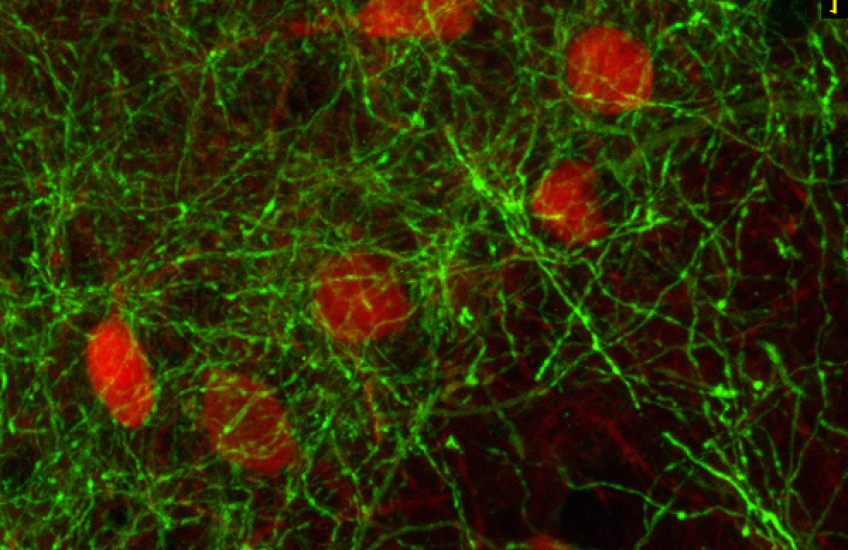
Harvard Medical School researchers have identified a specific class of neurons that help synchronize activity in the cortex, triggering brain waves characteristic of consciousness, perception, and attention. The findings may help to identify therapies in disorders such as schizophrenia. Robert McCarley, professor of psychiatry at Boston VA Medical Center, is co-senior author of the research.
The federal government is embarking on a massive study of young people’s use of marijuana, a project with implications for the legalization debate. Staci Gruber, associate professor of psychiatry at McLean Hospital, is quoted.
Palliative-care teams—which may include specially trained physicians, nurses, social workers, chaplains, and others—provide an added layer of support for people facing serious health problems and for their families. Vicki Jackson, assistant professor of medicine at Massachusetts General Hospital; Janet Abrahm, professor of medicine at Dana-Farber Cancer Institute; Joanne Wolfe, associate professor of pediatrics at Boston Children’s Hospital; Susan Block, professor of psychiatry at Dana-Farber; Atul Gawande, Samuel O. Thier Professor of Surgery at Brigham and Women’s Hospital; and Angelo Volandes, assistant professor of medicine at Massachusetts General Hospital, are quoted.
Increased collagen expression is a common feature of many different pathways to extended longevity in worms. Collin Ewald, research fellow in medicine at Joslin Diabetes Center, and Jess Abate, animal technician at the New England Primate Research Center, are coauthors of the research. Keith Blackwell, professor of genetics at Joslin Diabetes Center, is co-senior author.
Lisa Diller, professor of pediatrics at Dana Farber Cancer Institute, participated in a radio interview about how childhood cancer treatments influence life decades later, how survivors can get treatment they need, and new ways of treatment can lessen late effects.
In viral debate over dress’ true color, scientists explain why our brains see objects differently. Joseph Rizzo, David Glendenning Cogan Professor of Ophthalmology in the field of Neuro-Ophthalmology at Massachusetts Eye and Ear, is quoted.