In more good news for those who fill up on bran cereal and quinoa, a new study suggests that older people who eat a lot of whole grains may live longer than those who hardly ever eat them. Lu Qi, associate professor of medicine at Brigham and Women’s Hospital, is quoted.
If you’ve been watching infomercials or flipping through a magazine lately, you may think testosterone could be a cure-all. The “low T” movement, also known as “andropause,” targets aging men for their declining testosterone levels. And over the past decade, it’s become a multibillion-dollar industry. Abraham Morgentaler, associate professor of surgery at Beth Israel Deaconess Medical Center, is quoted.
Members of the committee that recommended controversial changes to Harvard’s non-union health benefits plan said it will likely change in the future, though they have yet to determine the nature of such revisions. Joseph Newhouse, professor of health care policy, and Michael Chernew, Leonard D. Schaeffer Professor of Health Care Policy, are quoted.
A new Congressional bill that would improve public access to the roughly $60 billion in research the federal government funds each year is drawing praise from researchers who say it will accelerate innovation, and criticism from some publishers who fear it will undermine their financial model. Paul Anderson, K. Frank Austen Professor of Medicine at Brigham and Women’s Hospital, and Roger Pitman, professor of psychiatry at Massachusetts General Hospital, are quoted.
A growing group of young adults who are genderfluid and are using hormone therapy and surgery to create bodies that matches this identity. Lachlan Forrow, associate professor of medicine at Beth Israel Deaconess Medical Center, is quoted.
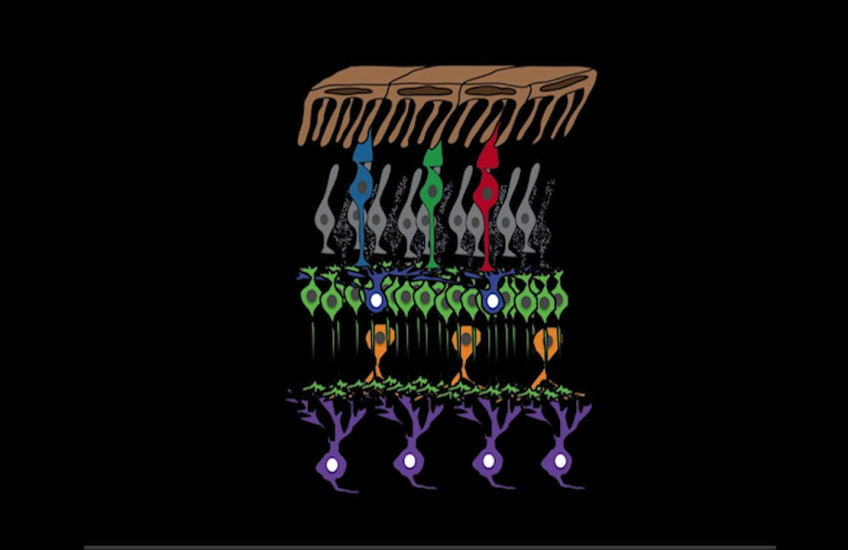
Most carbon dioxide that travels from your muscles to your lungs for exhalation does so not as CO2 proper, but as part of bicarbonate: HCO₃−. Bicarbonate’s vital to maintaining your blood pH, and it also aids in digestion. But it turns out bicarbonate also tweaks the activity of rod cells in your retina. Clint Makino, associate professor of opthalmology at Massachusetts Eye and Ear, is the author of a recent study on the subject.
In a Finnish study spanning 26 years, kids exposed to parental smoking were more likely to develop plaque in their carotid arteries as young adults than kids who were not exposed to secondhand smoke. Karin Michels, associate professor of obstetrics, gynecology and reproductive biology at Brigham and Women’s Hospital, is quoted.
More than half a million children who fall ill with tuberculosis each year are at risk of dying because of a lack of child-friendly treatments, experts said. Mercedes Becerra, associate professor of global health and social medicine, is quoted.
Custom-crafted organisms are one example of the extremely advanced manufacturing that could thrive in the 21st century. Pamela Silver, Elliott T. and Onie H. Adams Professor of Biochemistry and Systems Biology, is quoted.