New research suggests that inflated diagnoses by health insurance companies and companies they consult with cost the government billions a year. Timothy Layton, research fellow in health care policy, is a study co-author.
Researchers will begin recruiting cancer survivors who completed treatments at least six months earlier but are still experiencing moderate to severe levels of cancer-related fatigue for an open-label placebo trial. Ted Kaptchuk, professor of medicine at Beth Israel Deaconess Medical Center, is a coleader of the research.
James Hopper, part-time instructor in psychology at Cambridge Health Alliance, authored this article about why people don’t always respond to an attack the way others might expect.
Harold Bursztajn, part-time associate professor of psychiatry at Beth Israel Deaconess Medical Center, fielded questions and comments during a CNN Parents Facebook chat about mental illness and addiction.
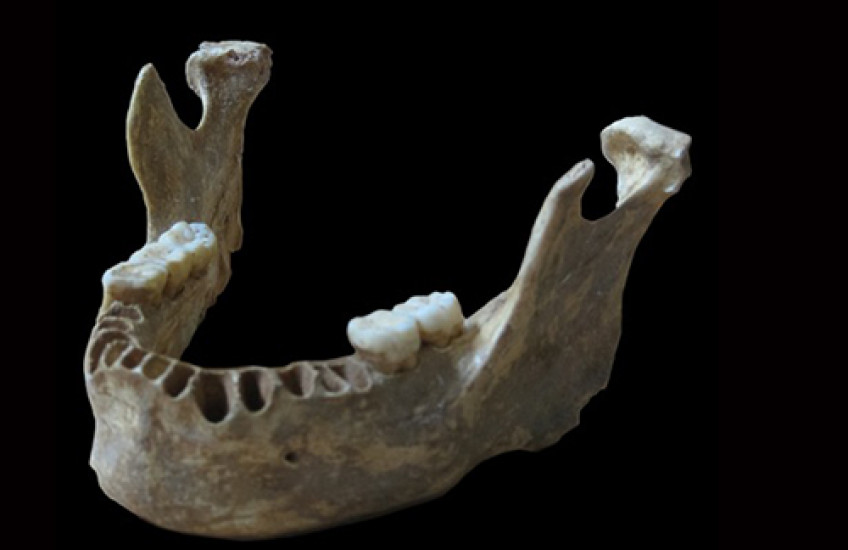
Recent research has revealed that all non-Africans living today retain a genetic trace—1-3 percent of the genome—of Neanderthal ancestry. And 40,000 years ago, human genomes may have contained twice as much Neanderthal DNA, according to a new study. David Reich, professor of genetics, is a senior author on the study.
Doctors at Brigham and Women’s Hospital are developing and testing a smartphone app that they hope will help patients and their doctors better manage chronic pain, and in so doing, help shrink the escalating medical costs associated with the condition. Robert Jamison, professor of anesthesia at the Brigham and Women’s Hospital, is quoted.
A gene once believed to contribute to human obesity has nothing to do with body weight, according to a new study. This new work overturns an accepted finding about the genetics of obesity. Steven McCarroll, assistant professor of genetics, and Joel Hirschhorn, the Concordia Professor of Pediatrics at Boston Children’s Hospital, are co-senior authors.
A profile of fourth-year medical student Brian Powers, who has published 20 academic articles, many of which have made their way into some of the world’s most prestigious medical journals.