David Reich, professor of genetics, participated in an interview about his study sequencing the genome of an ancient jawbone specimen. He explains what this discovery helps us understand about the early interactions between Neanderthals and modern humans in Europe.
A crusading physician says medical progress is hampered by a holier-than-thou ‘moralistic bullying.’ Thomas Stossel, professor of medicine at Brigham and Women’s Hospital, is quoted.
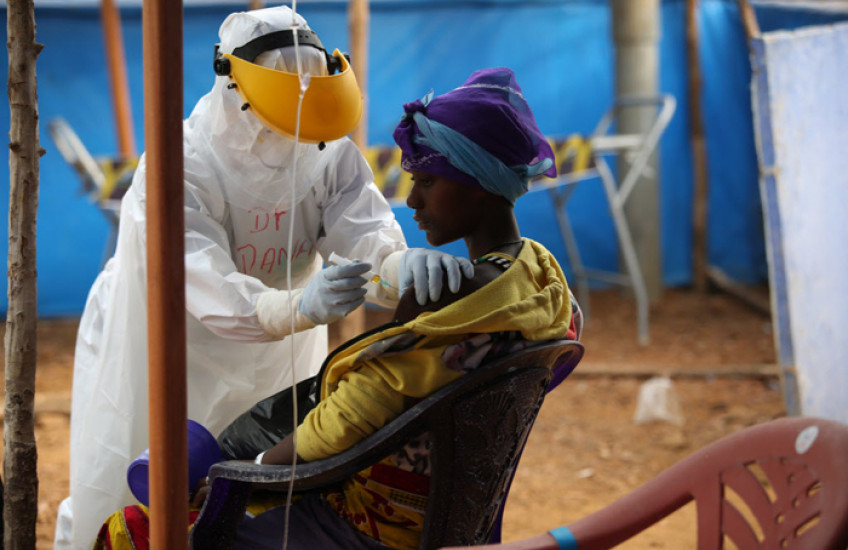
Public health officials may soon be able to screen patients for Ebola at border crossings and hospitals with a finger-prick blood test that takes mere minutes. The development of the rapid diagnostic test represents a significant victory for scientists around the world who have been experimenting over the past year with all manner of vaccines, treatments and other ways of eradicating the virus. Nira Pollock, assistant professor of medicine at Boston Children’s Hospital, is senior author of the paper. Megan Murray, professor of global health and social medicine, is a co-lead author.
Meeting unmet medical needs has its price. Consider the 21st Century Cures legislation. The sweeping Congressional bill, which is designed to jumpstart medical innovation, has a provision that would allow the FDA to grant an extra six months of exclusive marketing rights to a company if an existing drug is approved to treat a rare disease. Jerry Avorn, professor of medicine at Brigham and Women’s Hospital, is quoted.
Electronic devices may be contributing to our sleep-deprived society. Charles Czeisler, Frank Baldino, Jr., Ph.D. Professor of Sleep Medicine at Brigham and Women’s Hospital, is quoted.
State laws have played a big part in boosting the number of hospitals where specialized stroke care is available, a new study shows. Lee Schwamm, professor of neurology at Massachusetts General Hospital, is quoted.