A team led by Harvard Medical School researchers at Beth Israel Deaconess Medical Center and Dana-Farber Cancer Institute has developed a faster way to identify and engineer cancer-fighting therapies.
In a study published in August in Nature Communications, the team used the new approach to create an investigational treatment that showed strong activity against aggressive B-cell lymphomas in laboratory experiments.
The approach, which the researchers are calling “tactical surfaceome profiling,” is a novel strategy for identifying the most promising targets for immune-based therapies from among the molecules found on the surface of the malignant cells (collectively called the surfaceome).
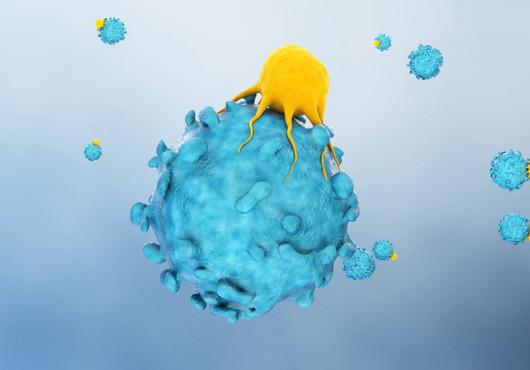
The goal is to help macrophages — immune cells that identify, engulf, and dispose of diseased cells — recognize lymphoma cells more effectively, said co-first author Carlota Pagès-Geli, HMS research fellow in medicine at Beth Israel Deaconess in the lab of senior author Kipp Weiskopf.
Convincing immune cells to attack
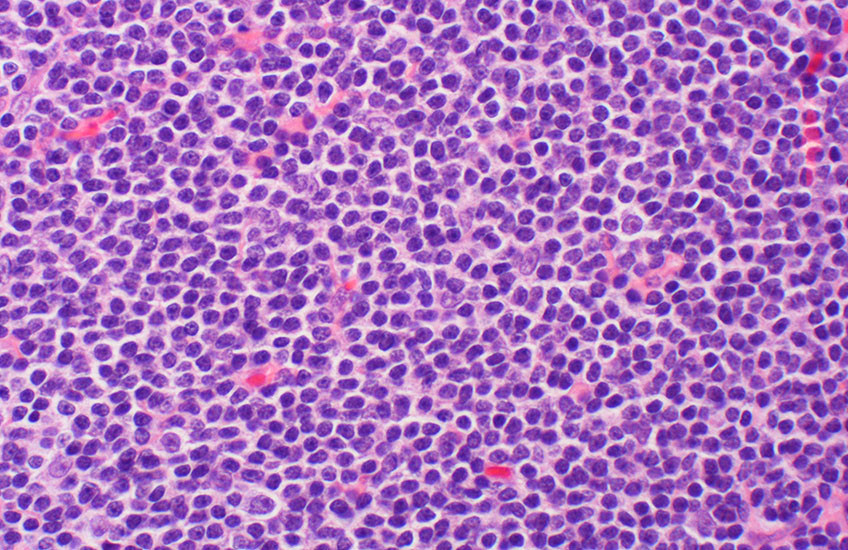
B-cell lymphomas, which are among the most common blood cancers, arise from B cells, a type of white blood cell that helps protect the body from infection. Although immunotherapy treatments such as rituximab have transformed care for many patients, some lymphomas become resistant to therapy or return after treatment, creating the need to develop new therapeutic options.

Cancer cells often evade the immune system by displaying molecules on their surface that can fool macrophages, blunting the body’s immune response to the disease.
Tactical surfaceome profiling begins by identifying the surface proteins that induce the desired immune response. This flips the script on decades of cancer research, since traditional drug discovery typically builds a drug tailored to a target first and then tests whether it demonstrates therapeutic potential only much later in the process.
Preclinical developments
To find the surface proteins most likely to help macrophages recognize and destroy cancer cells, the researchers used collections of antibodies targeting hundreds of proteins found on cell surfaces, including 173 mouse proteins and 241 human proteins.
The team then evaluated the 414 antibodies using a high-throughput screening platform, measuring how effectively each one flagged lymphoma cells for immune attack. The surface proteins corresponding to those top-performing antibodies emerged as the molecules most likely to serve as effective drug targets.
The researchers then engineered experimental antibodies to target a protein commonly found on lymphoma cells while also blocking a known molecular signal that tumors use to confuse and evade macrophages.
In laboratory studies, the most effective of these experimental antibodies triggered killing of lymphoma cells by macrophages, including cells resistant to rituximab, and outperformed both rituximab and another drug used to treat blood cancers, called daratumumab, in several preclinical tests. In mouse models of aggressive B-cell lymphoma, it slowed tumor growth, extended survival, and, when combined with rituximab, eliminated tumors in some animals.
The investigators hope to advance these new therapies to clinical trials to assess their safety and efficacy in patients in the near future. Additionally, they are now applying tactical surfaceome profiling to other types of cancer, including gastric cancer, lung cancer, and ovarian cancer.
Adapted from a Beth Israel Deaconess news release.
Authorship, funding, disclosures
Juliano Ribeiro is co-first author. Additional authors include Thomas Wienclaw, Anna M. Meglan, Lauren Sloat, Matheus Silva, Jasmine Blandin, José Velarde, Kyle Vaccaro, Carolin Sebastiany, Patricia Fernández-Guzmán, Cynthia K. Hahn, and Marta Crespo.
This study was supported by the Valhalla Foundation; the AACR-AstraZeneca Career Development Award for Physician-Scientists in honor of José Baselga; an anonymous grant; Richard Reisman in honor of Jane Reisman and Lilian Reisman; the U.S. Department of Defense (grant W81XWH2210141); the National Institutes of Health (grant R01 CA279259); the Research Foundation for the Treatment of Ovarian Cancer; the ALK Positive Lung Cancer Foundation; the Torrey Coast Foundation; a European Association for Cancer Research Travel Fellowship; Asociación Española Contra el Cáncer (LABAE18014CRES); and Instituto de Salud Carlos III, Fondo de Investigaciones Sanitarias (PI21/01190), co-sponsored by the European Union FEDER program.
Pagès-Geli, Ribeiro, Meglan, Vaccaro, and Weiskopf are inventors on patents and patent applications related to macrophage-directed cancer therapies, including an application directly related to this work. Vaccaro is a former employee and equity holder of DEM Biopharma. Crespo has received research funding from Janssen, Genentech, and AstraZeneca. Weiskopf reported patents and royalties, equity interests, and advisory roles involving multiple biotechnology companies, including ALX Oncology, DEM Biopharma, and Solu Therapeutics.