HMS students are by no means lacking in mentorship opportunities, but while relationships with faculty, society masters and attendings are invaluable, first-year HMS student Ali Qureshi and his fellow student council members saw room for another kind of mentoring relationship, one that would pair students with mentors closer in age and experience level.
Qureshi helped develop the Residents Advising Medical Students (RAMS) program, which facilitates informal mentoring relationships between first-year students and residents at HMS-affiliated hospitals. The purpose, according to Qureshi, is to match medical students who are still in the early stages of deciding on educational and career paths with physicians whose memories of that process are still fresh. RAMS provides students with mentors who are “a little less senior, who they can be frank with and approach easily. They can talk about more than just what does it mean to come to work and what kind of cases do you see, but what kind of lifestyle are you leading and how did you choose your specialty,” said Qureshi, “especially given the way that healthcare and management is changing.”
The inspiration for RAMS came about when Qureshi, who is interested in hand surgery, had the opportunity to observe a wrist reduction simulation at Massachusetts General Hospital. There, he met Manish Sethi, a resident and clinical fellow in orthopedic surgery, who offered to let Qureshi shadow him. Qureshi also found himself turning to Sethi, who is an HMS graduate, for insights on which classes to take and on medical school in general. He realized other students could benefit from the same kind of role model.
Initially, the student council members envisioned a program in which students were matched to HMS alumni, but as they gauged their classmates’ interests, it became clear that the demand for mentors would exceed the supply of alums at the hospitals. Luckily, residents proved to be equally enthusiastic.
“The residents who responded said, ‘Wow, we wish we had something like this,’” said Qureshi.
“In our healthcare system today, it is important to cultivate and grow the next generation of doctors, to make them believe in themselves and their abilities as Harvard medical students to be the best and the brightest,” said Sethi, Qureshi’s mentor. “People like Ali have the drive and ability to succeed, and all they need is someone who can push them to believe in the gifts and talents they have to make a difference in healthcare.”
Interested first-years were asked to submit their top three specialty choices along with other interests or requests, said Qureshi. For instance, some students expressed interest in areas such as health policy and global health, and others requested mentors of the same gender. Ultimately, 80 medical students and one dental student were matched with resident mentors.
The program is intentionally very informal. There are no guidelines or requirements to meet a certain number of times. Qureshi said the program was designed that way to encourage busy residents to participate and to allow the relationship to evolve naturally, instead of feeling like an assignment.
In the future, Qureshi said they will send out a survey to participants to find out what is and is not working so they and future student councils can fine-tune the program. Nancy Oriol, HMS dean of students, will write letters on behalf of the participating residents to residency directors, and, Qureshi said, they are considering other ways to recognize outstanding resident mentors through an awards program.
Trending News
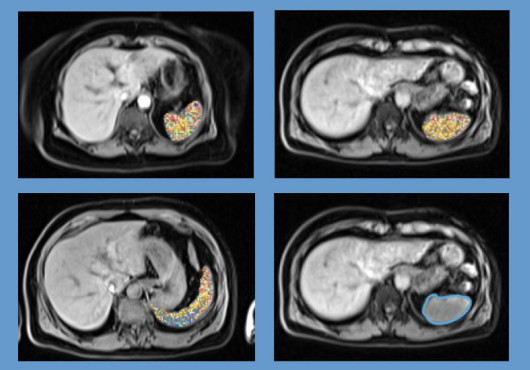
Research Provides Clues to Spleen’s Role in Coronary Artery Disease
Genetic variants may drive visible changes in the spleen that contribute to heart disease
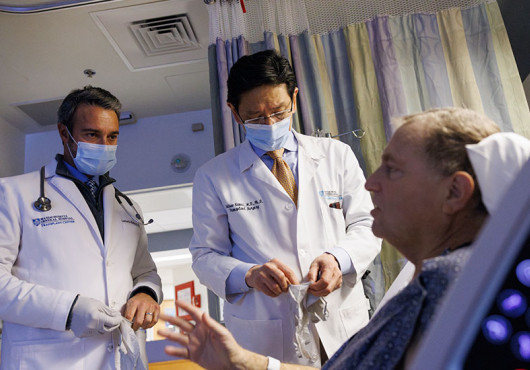
Patient Who Received Pig Kidney Becomes First To Progress to Human Kidney Transplant
Study shows xenotransplantation can serve as a bridge for patients with end-stage kidney disease

Pilots, Flight Attendants Have Greater Risk of Radiation-Related Cancer Death Than Other Professions
Findings support efforts to protect U.S. aircrews from cosmic radiation exposure