
Simple bacteria have an immune system with a memory, which allows them to destroy invading viruses they have encountered in the past. In just two years, scientists have discovered how to repurpose the simple virus-shredding technique used by bacteria in more complicated creatures, a feat that is now revolutionizing research across the Boston area and beyond. George Church, professor of genetics, is quoted. Eric Lander, professor of systems biology and founding director of the Broad Institute, is quoted. J. Keith Joung, associate professor of pathology at Massachusetts General Hospital, is quoted.
Trending News
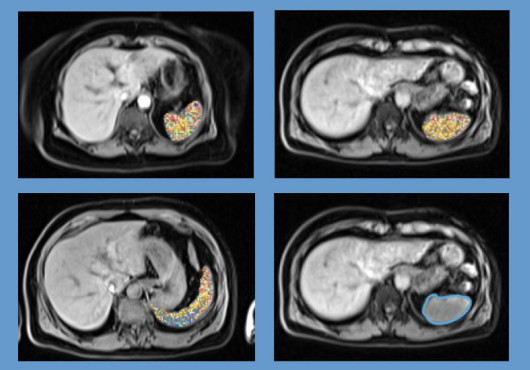
Research Provides Clues to Spleen’s Role in Coronary Artery Disease
Genetic variants may drive visible changes in the spleen that contribute to heart disease

Patient Who Received Pig Kidney Becomes First To Progress to Human Kidney Transplant
Study shows xenotransplantation can serve as a bridge for patients with end-stage kidney disease

Pilots, Flight Attendants Have Greater Risk of Radiation-Related Cancer Death Than Other Professions
Findings support efforts to protect U.S. aircrews from cosmic radiation exposure