
Heart attacks—especially those hitting younger individuals—run in families, which can leave sons, daughters, and siblings wondering about their future. Slight changes in certain genes are known to put a person at greater risk and yet finding those common variants, or single nucleotide polymorphisms (SNPs), has not been easy. In a study of 26,000 subjects, the largest to date, researchers including Sekar Kathiresan, HMS assistant professor of medicine, and David Altshuler, HMS professor of genetics, both at Massachusetts General Hospital, pinpointed heart attack–related SNPs in nine genetic regions, three of which had never before been associated with heart attacks. The findings were published online Feb. 8 in Nature Genetics.
Trending News
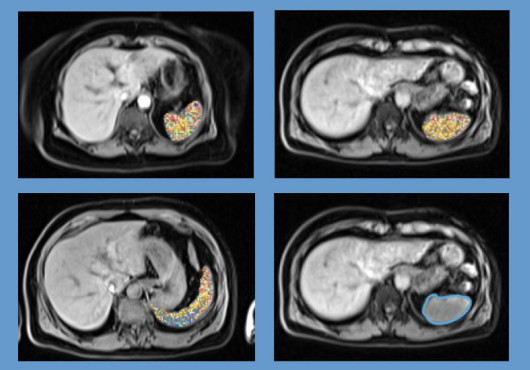
Research Provides Clues to Spleen’s Role in Coronary Artery Disease
Genetic variants may drive visible changes in the spleen that contribute to heart disease

Patient Who Received Pig Kidney Becomes First To Progress to Human Kidney Transplant
Study shows xenotransplantation can serve as a bridge for patients with end-stage kidney disease

Pilots, Flight Attendants Have Greater Risk of Radiation-Related Cancer Death Than Other Professions
Findings support efforts to protect U.S. aircrews from cosmic radiation exposure