
Constant Crohin and Michele Crohin
Rapid Reference to Implant Dentistry
Boabab Publishing
This pocket-sized reference, written by Constant Crohin, HSDM clinical instructor in oral medicine, infection and immunity, and Michele Crohin, a private practitioner, is intended to serve as a quick guide for clinicians to all aspects of osseointegrated dentistry, from planning to placement to maintenance. Presented in outline format, with easy-to-read charts, graphs and illustrations, the book presents the latest practices in this rapidly growing field. It is also available as an e-book.
Jean Fain
Compassionate Weight Loss: A Jean Fain Mindfulness CD
Self Published
Being nice to yourself can help you lose weight, says Jean Fain, an HMS teaching associate in psychiatry at Cambridge Health Alliance, on her instructional audio CD. Developing self-compassion can decrease the self-critical thoughts and negative thinking that can lead to emotional eating. On this CD, Fain leads the listener through guided visualization and meditation exercises designed to help the listener develop a more peaceful and harmonious relationship with food and to address a range of issues, from yo-yo dieting to binge eating. Self-compassion is transformative, says Fain, and a recipe for all manner of personal change, including weight loss.
Mark A. Goldstein, Myrna Chandler Goldstein, and Larry P. Credit
Your Best Medicine
Rodale
Sifting through the many, and sometimes conflicting, news reports on the latest findings in healthcare can be overwhelming and confusing. Drawing on trusted sources such as medical journals and textbooks, Mark Goldstein, HMS assistant clinical professor of pediatrics at Massachusetts General Hospital, and his co-authors have identified the best treatments using both conventional and complementary medicine for 81 common conditions. The book is divided into two sections: the first offers general advice for maintaining good health, and the second provides a thorough description of each condition along with what the authors have determined through their research to be the most effective, safe, accessible and affordable treatments.
Norton Greenberger
4 Weeks to Healthy Digestion
McGraw-Hill (Harvard Health Publications)
Some people are cursed with a finicky stomach, with symptoms that range from uncomfortable to debilitating and often with no disease or condition on which to pin the blame. For these frustrated patients, Norton Greenberger, HMS clinical professor of medicine at Brigham and Women’s Hospital, has designed a four-week plan to help identify culprit foods that cause chronic symptoms such as diarrhea, constipation, heartburn, and bloating and gas. Greenberger addresses digestion-unfriendly behaviors, like eating too quickly, and hidden sources of problem ingredients, like medications and sugar-free mints and gum. Also included is a chapter on communication with primary-care physicians about digestion issues and one with healthy digestion recipes.
David Hemenway
While We Were Sleeping: Success Stories in Injury and Violence Prevention
University of California Press
In the early 1980s, an average of 18 people per year were electrocuted by handheld hairdryers. Now, after a series of standards was imposed and new technology was developed, such deaths are almost unheard of. This is just one of dozens of success stories David Hemenway, HSPH professor of health policy, presents as examples of how public health has made our lives safer, almost without notice. The book describes advances in public health and injury prevention in seven categories: car, home, work, play, nature, violence and medical treatment. Hemenway also offers chapters on models of injury prevention and potential future success stories, and he profiles individuals whose efforts to change policies and practices have resulted in real and lasting improvements in public safety.
Warren J. Manning, Editor-in-Chief
Atlas of Cardiovascular Magnetic Resonance
Springer
The use of noninvasive imaging techniques has become more widespread as technology advances and the tools become more readily available. In two decades, cardiovascular magnetic resonance (CMR) has moved from a few specialized hospitals to clinics all over the world. Warren Manning, HMS professor of medicine and of radiology at Beth Israel Deaconess Medical Center, has edited a comprehensive text that provides an in-depth picture of where CMR stands today. Chapters move from the general, with a discussion on the physics of the technique and an overview of the methods that can be used, to the specific, with discussions of the clinical application of CMR in a variety of conditions. Images, many in full color, accompany each chapter, and the book comes with a companion CD.
Michael R. Reich and Laura J. Frost
Access
Harvard Center for Population and Development Studies
“Medical breakthroughs mean little if they fail to reach those in greatest need,” writes Tadataka Yamada of the Bill & Melinda Gates Foundation in the foreword to Access, by Michael Reich, the Taro Takemi professor of international health policy in the Department of Global Health and Population at HSPH, and Laura Frost of Princeton University. The book is the result of a study commissioned by the Gates Foundation, whose charge to the authors was to explore the economic, social and political contexts in which new healthcare technologies are introduced into poor communities. The book is divided into three sections, presenting general information on access, six case studies, and lessons learned from the case studies. These cases span a range of healthcare issues in developing countries and offer examples of improved access to medications, diagnostic tests, vaccines, devices and other technologies.
Brian G. Skotko and Susan P. Levine
Fasten Your Seatbelt: A Crash Course on Down Syndrome for Brothers and Sisters
Woodbine House
At workshops around the country, Brian Skotko, HMS clinical fellow in pediatrics at Children’s Hospital Boston, and Susan Levine, a social worker in New Jersey, invited the siblings of children with Down syndrome to anonymously submit questions they were reluctant to ask their parents or doctors: Will my sister be able to go to college? How do I include my brother when I’m with my friends? Why do people stare at my sister in public? Fasten Your Seatbelt, a collection of these questions and the authors’ answers, explores a range of issues and concerns that the authors have confronted over the years, including family dynamics, uncomfortable situations, conflicting emotions and avenues for advocacy. The book provides siblings of all ages a tool for navigating their relationship with their brother or sister with Down syndrome.
Trending News
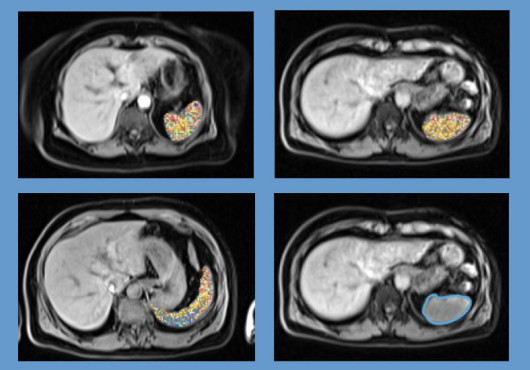
Research Provides Clues to Spleen’s Role in Coronary Artery Disease
Genetic variants may drive visible changes in the spleen that contribute to heart disease

Patient Who Received Pig Kidney Becomes First To Progress to Human Kidney Transplant
Study shows xenotransplantation can serve as a bridge for patients with end-stage kidney disease

Pilots, Flight Attendants Have Greater Risk of Radiation-Related Cancer Death Than Other Professions
Findings support efforts to protect U.S. aircrews from cosmic radiation exposure