
Quad-based HMS researchers had received 102 awards totaling about $77 million over two years through the American Recovery and Reinvestment Act (ARRA) as of late November. Of the total, the researchers subcontracted out about $19 million in collaborations with researchers at other institutions.
The Recovery Act, which was signed into law in February 2009, injected an extra $21.5 billion into federal research funding, including $10 billion in extramural funding for the National Institutes of Health.
As part of the Quad-based awards, at least 10 research teams received about $21 million over two years in the highly competitive new Recovery Act category of NIH Challenge Grants. These are intended to jumpstart ambitious, multidisciplinary projects anticipated to have a high impact in biomedicine and public health. The enthusiasm about the Challenge Grants generated more than 100 proposals from the Quad.
The Recovery Act awards also include five NIH Grand Opportunities (GO) grants to researchers based on the Quad, totaling more than $8 million, to launch bold, creative studies whose success is far from guaranteed, but which have the potential to dramatically transform key scientific fields.
Other Challenge and GO grants, as well as supplemental funding, to affiliates and other institutions have enabled additional collaborations among HMS faculty and their colleagues, who are working together to advance biomedical research and human health.
“ARRA funding supports the most important things we do at Harvard Medical School: generating medical discoveries, translating them into improved public health and training the next generation of scientists and clinicians,” said Jeffrey Flier, dean of the Faculty of Medicine.
In the first quarterly reporting required by the Recovery Act’s unprecedented effort for accountability and transparency (see http://recovery.gov), HMS had created or retained the equivalent of nearly 41 jobs as of mid-September. As people fill these positions and receive their first paychecks, that number will increase to reflect the full impact of all the awards, said HMS stimulus specialist Jay Alves.
Trending News
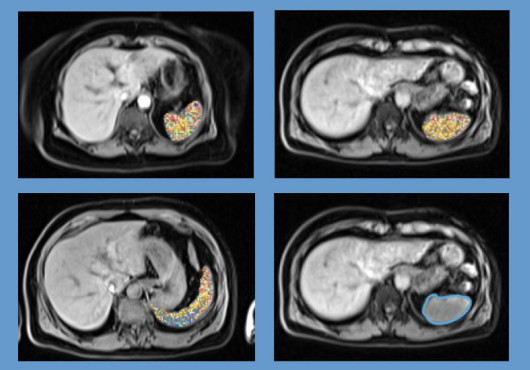
Research Provides Clues to Spleen’s Role in Coronary Artery Disease
Genetic variants may drive visible changes in the spleen that contribute to heart disease
Patient Who Received Pig Kidney Becomes First To Progress to Human Kidney Transplant
Study shows xenotransplantation can serve as a bridge for patients with end-stage kidney disease

Pilots, Flight Attendants Have Greater Risk of Radiation-Related Cancer Death Than Other Professions
Findings support efforts to protect U.S. aircrews from cosmic radiation exposure