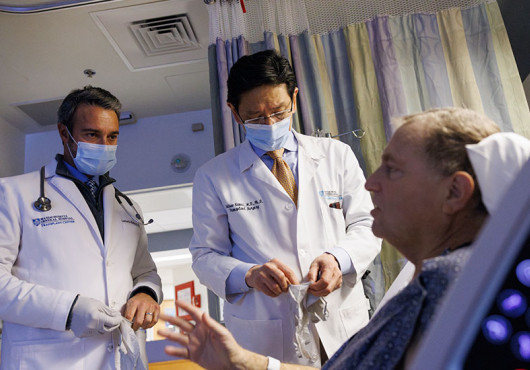
 Elliot Chaikof
Professor of Surgery
Beth Israel Deaconess Medical Center
Chaikof was among the first group of vascular surgeon investigators whose contributions lead to the establishment of endovascular grafts as mainstream treatment for aortic aneurysms in the United States. His research lies at the interface of surgery and bioengineering, including the development of minimally invasive therapies, as well as the design of biologically inspired materials and devices that enable advances in cell-based therapies, artificial organs and engineered living tissues. At HMS, Chaikof will continue his clinical and research efforts as chairman of the Roberta and Stephen R. Weiner Department of Surgery and surgeon-in-chief at the Beth Israel Deaconess Medical Center.
 Judy Garber
Professor of Medicine
Dana–Farber Cancer Institute
Garber’s research activities include the study of breast cancer risk assessment and communication, breast cancer genetics and pharmacogenetics. She leads epidemiologic, cancer-surveillance and risk-reduction studies in hereditary cancers, including breast and ovarian cancers, pediatric cancers and sarcomas. More recently Garber’s research has expanded to the study of basal-like breast cancer, the most common form in women with BRCA1 mutations.
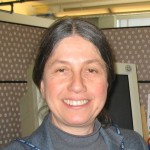 Diane Gold
Professor of Medicine
Brigham and Women’s Hospital
Gold’s research focuses on two major areas: first, the influence of early-life environmental exposures on allergy and asthma development, and second, cardiovascular and pulmonary effects of air pollution and climate. She has a long-standing commitment to identifying and addressing health disparities, and investigates sources of vulnerability to adverse effects of environmental exposures. Gold has collaborated with a wide range of scientific investigators in public health and medicine. New collaborative research includes investigations of the role of the microbiome in allergy and asthma development in children; air pollution’s effects on sleep disordered breathing; and the influence of vitamin D and marine omega-3 fatty acid supplementation on pulmonary outcomes in adults.
 Kwang-Soo Kim
Professor of Psychiatry and Neuroscience
McLean Hospital
Kim’s research focuses on the transcriptional regulatory cascade underlying midbrain dopamine neuron development and survival, leading to development of novel genetic models of Parkinson’s disease, cell-type-specific gene delivery, and identification and validation of novel drug targets for Parkinson’s disease and other degenerative disorders. Kim’s other areas of research include directed (guided) differentiation of stem cells and development of proprietary protein-based reprogramming methods toward the ultimate goal of safe, realistic personalized medicine and cell replacement therapy, as well as cellular models using disease-specific iPS cells.
 Laura Miller
Professor of Psychiatry
Brigham and Women’s Hospital
Miller’s work has focused on designing, implementing and evaluating innovative models of delivering mental health care to pregnant and postpartum women. Her projects have included a parenting assessment team, a clinic within a domestic violence courthouse, a consultation service at a shelter, perinatal depression care models at community health centers, and statewide perinatal depression initiatives. She has been instrumental in national mental health educational initiatives for women.
 Laurence Turka
Professor of Medicine
Beth Israel Deaconess Medical Center
Turka’s research focuses on T cell tolerance, particularly in the context of solid organ transplantation and autoimmunity. He has made fundamental observations about the role of T cell costimulatory pathways in these processes and continues to work on signaling pathways that regulate T cell responses in vivo.
 Andrius Kazlauskas
Professor of Ophthalmology
Schepens Eye Research Institute/Massachusetts Eye and Ear Infirmary
The overall goal of Kazlauskas’s research is to elucidate principles by which intracellular signaling controls cellular responses, and thereby provide the conceptual foundation for developing improved therapeutic options, especially in the field of ophthalmology.