
The Eighth Annual Marshall J. Seidman Lecture on Health Policy, sponsored by theHMS Department of Health Care Policy, featured a lecture by economist Peter Orszag, director of the U.S. Congressional Budget Office. In his talk, titled “New Ideas About Human Behavior in Economics and Medicine,” Orszag described how the U.S. healthcare sector contains the biggest inefficiencies in our economy. There are huge variations in health care costs throughout the United States, with no compelling explanation. Even among the country’s leading medical centers, medicine is practiced in markedly different ways. Higher costs do not necessarily yield better results.
According to Orszag, the country needs to get more aggressive about finding out what works and what does not. “We need to reward better care,” he said. “Not just more care.”
As a long-term solution, Orszag believes that healthcare policymakers have to start paying more attention to behavioral economics. Citing an example in which Michigan doctors reduced the incidence of infections related to catheterizations simply by altering professional norms, Orszag asserted that the system will improve only to the extent that it is “in tune” with the realities of human behavior, as opposed to the allure of pure science.
Trending News
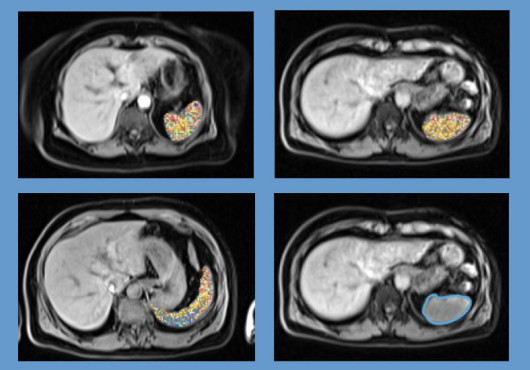
Research Provides Clues to Spleen’s Role in Coronary Artery Disease
Genetic variants may drive visible changes in the spleen that contribute to heart disease

Patient Who Received Pig Kidney Becomes First To Progress to Human Kidney Transplant
Study shows xenotransplantation can serve as a bridge for patients with end-stage kidney disease

Pilots, Flight Attendants Have Greater Risk of Radiation-Related Cancer Death Than Other Professions
Findings support efforts to protect U.S. aircrews from cosmic radiation exposure