
Metabolic changes in the mother during pregnancy have been linked to impaired fetal development and an increased risk of obesity, diabetes and cardiovascular problems as children reach adulthood, but the physiological origins of these changes in children are unknown. A research team used a mouse model of insulin resistance to find out how it affects metabolism and endocrine pancreas development in the offspring. The research team includes Sevim Kahraman, research fellow in medicine at Joslin Diabetes Center, Ercument Dirice, research fellow in medicine at Joslin Diabetes Center, Dario DeJesus, associate in medicine at Joslin Diabetes Center, and Rohit Kulkarni, associate professor of medicine at Joslin Diabetes Center.
Trending News
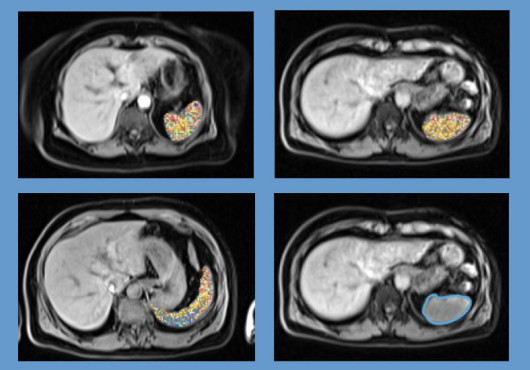
Research Provides Clues to Spleen’s Role in Coronary Artery Disease
Genetic variants may drive visible changes in the spleen that contribute to heart disease

Patient Who Received Pig Kidney Becomes First To Progress to Human Kidney Transplant
Study shows xenotransplantation can serve as a bridge for patients with end-stage kidney disease

Pilots, Flight Attendants Have Greater Risk of Radiation-Related Cancer Death Than Other Professions
Findings support efforts to protect U.S. aircrews from cosmic radiation exposure