December 19 is deadline for Statement of Interest
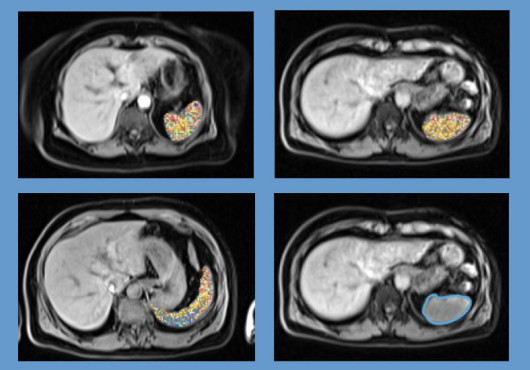
While imaging is a critical diagnostic tool, novel advanced imaging techniques are also invaluable for exploring the mechanism of action of new drugs and the underlying physiology of disease in multiple organ systems. A growing array of rapidly evolving technologies clearly has promise far beyond what is obvious—and clinical investigators are only beginning to learn how these technologies might be best or most creatively used.
To address this gap, Harvard Catalyst | The Harvard Clinical and Translational Research Center presents a unique funding opportunity: “Using Imaging to Transform Medicine,” a collaboration between the center’s Pilot Grants and Innovation and Implementation (I2) programs. The objective is to move forward the state of knowledge about the applications of leading-edge imaging technologies, including Physiological MR, PET and Optical Imaging, and develop innovative clinical applications.
All Harvard affiliated faculty (all levels and schools) are eligible to apply for one-year Pilot Research Grants of up to $50,000, from an available pool of up to $750,000.
In addition, all Harvard affiliated personnel, including staff and students, are eligible to apply for concept development awards of $2,000. For these smaller awards, novel ideas may be put forward without an implementation plan, so that individuals who lack research resources to carry out a project can still contribute insights about what clinical applications might be possible with advanced imaging technologies.
To be eligible to apply for the Pilot Grant and concept award competition, participants must first submit by December 19 a statement of interest that includes a brief description of a specific medical problem—one that advanced imaging techniques could potentially address. They must also attend an interactive advanced imaging symposium during the week of January 30th.
This symposium will take place at Harvard Business School. The event will both provide an introduction to advanced medical imaging techniques and tools and encourage interactions among clinical and imaging experts.
According to the Harvard Catalyst I2 Imaging program leader, Thomas Brady, the Laurence Lamson Robbins Professor of Radiology at Massachusetts General Hospital, “The goal is to allow clinical investigators to discover how imaging tools might prove useful in their work, and to expose imaging experts to problems that clinical investigators cannot address with conventional technologies.” This initiative also marks another Harvard Catalyst and Harvard Business School collaboration in the area of innovation.
This innovative approach should allow investigators across Harvard to develop relationships with potential collaborators “and proceed to the point of submitting either a full pilot grant proposal or a brief concept proposal,” Brady noted. “Grant awards are expected to open up exciting new roles for imaging in developing fresh insights into, and therapies for, human disease.”
To apply, or for more information, visit the website http://catalyst.harvard.edu/services/imagingpilots/ on or after Dec. 1.