I spend the majority of my time as an infectious disease fellow on inpatient consultations: requests by primary teams (in medicine, general surgery, orthopedics, gynecology, urology and other specialties) for infectious disease evaluation of their patients. Though I have not done a formal analysis, I would guess that at least a third of these inpatient consults transfer into my outpatient clinic for long-term follow-up.
Managing this transition is a challenge.
Take, for example, the case of Ms. G., a 65-year-old lady who developed osteomyelitis of the spine. When she was discharged from Massachusetts General Hospital, I provided a detailed plan for the rehabilitation facility. My summary included a brief description of the patient’s hospital course as it related to the infection and the decisions made with regard to antibiotics, dosing and laboratory studies that would need to be monitored while the patient was on these drugs.
In this particular case, in addition to the weekly “safety labs,” I asked specifically for a repeat blood level of one of the antibiotics because the most recent level, while in range, had been on the high side. I wanted to be sure that she did not become supratherapeutic, which could result in renal failure.
After three days, one of the nurses who helps track our outpatients called to tell me that the drug level was very high, and the patient had developed new renal failure. For the better part of the next week, our clinic was in daily communication with the rehab facility. By the end of a week or so, it became clear that her kidney function was not improving, and she was readmitted to MGH for evaluation.
During that admission, I saw her in-house and switched antibiotics. Her renal function began to trend back to normal, and she was discharged to a different rehab facility. In the discharge plan, I gave explicit instructions again on how to dose-adjust the antibiotics as her renal function improved.
At the end of her several-week course of medications, she presented in follow-up clinic with myriad complaints, the most concerning of which was increasing back pain. This could have represented development of a new infection or recurrence of the infection that, more than six weeks into antibiotic treatment, should have been under control.
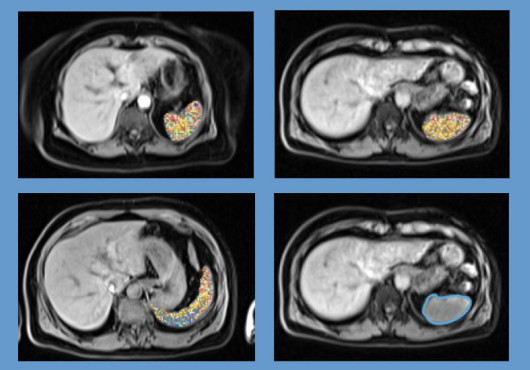
Given this, and some of her other complaints, I suggested that she consider being admitted to the hospital. I recommended that a repeat MRI be done to assess the infection in her bone and determine if the etiology of her back pain was infectious. Yet she preferred to go back to rehab. I told her that if the imaging results were stable or improved, she could stop the antibiotics.
About a week and a half later, an e-mail from one of the RNs in the clinic said, “Were you aware that Ms. G. has been admitted to another hospital?” I called this hospital, but by that time, she had been discharged back into rehab. After making several more calls, I couldn’t determine which facility she was in, so I called the patient directly on her cell phone. Amazingly, she picked up, and we talked about how things were going: back pain improved, working with physical therapy. This was great news, I said—did they repeat the MRI? Are you still on the antibiotics for your back?
She had not had the MRI, and she thought she was still on antibiotics. Now that I knew which facility she was admitted to, I googled the center to find the contact information and called them directly, asking to speak to the physician in charge.
I introduced myself and asked him about his plan with regard to her osteomyelitis and the antibiotics. I explained that she was far past the end date of her antibiotics course, and the only reason we had extended therapy was because of her increasing back pain and the need for repeat imaging before making the decision to stop therapy. He said he would arrange for an MRI and send us the results. It was a holiday weekend, though, so it wouldn’t happen until the following week.
The next week, I called the facility—the doctor in charge had changed. From the nurses, I learned that the MRI had been completed and that she was still on the antibiotics. The RN was not sure what the MRI showed. Several days later, I was able to speak directly with the physician in charge. He told me that the patient had been admitted to the ICU with a bad pneumonia. He had stopped the antibiotics for the osteomyelitis since the MRI was read as “stable,” and they had started broad coverage with additional antibiotics to treat her pneumonia. Before we ended the conversation, it occurred to me how fraught the transition is from inpatient to outpatient, with potential for miscues and unforeseen events.
Erica Seiguer Shenoy, MD–PhD ’07, is a fellow in infectious disease at Massachusetts General Hospital and Brigham and Women’s Hospital.
The opinions expressed in this column are not necessarily those of Harvard Medical School, its affiliated institutions or Harvard University.