
How one ages—and whether one does so healthily—depends on a complex network of genetic, physiological and environmental factors. Fielding and integrating those signals is the job of a small group of transcription factors, notably the well-known sirtuin family. It now appears that the molecule dubbed co-repressor C-terminal binding protein (CtBP) carries out a similar function, and it does so, in part, by regulating fat metabolism. In the Feb. 3 Proceedings of the National Academy of Sciences, research fellow Shuzhen Chen, Yang Shi, an HMS professor of pathology, and colleagues report that in worms, inactivating the gene corresponding to CtBP increased life span.
Trending News
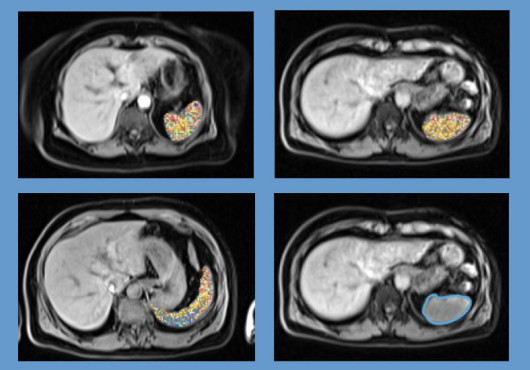
Research Provides Clues to Spleen’s Role in Coronary Artery Disease
Genetic variants may drive visible changes in the spleen that contribute to heart disease

Patient Who Received Pig Kidney Becomes First To Progress to Human Kidney Transplant
Study shows xenotransplantation can serve as a bridge for patients with end-stage kidney disease

Pilots, Flight Attendants Have Greater Risk of Radiation-Related Cancer Death Than Other Professions
Findings support efforts to protect U.S. aircrews from cosmic radiation exposure