
After Mendel worked out the math to predict the genotype of offspring from the parents’ genes, scientists relied for a century on family pedigrees to trace the genetic basis of inherited diseases and disorders. In the last few years, the gene-hunting strategy has changed with the advent of reliable whole-genome association studies, which compare unrelated strangers with and without the disease.
But family-based studies remain valuable tools in the search for the multiple genetic variations that contribute to common diseases, especially for less-common variants, said Nan Laird, HSPH professor of biostatistics, even in the era of reliable genomewide association studies.
Laird and her colleagues have developed software and expanded the most common family-based approach to accommodate real-world situations like missing parents, unaffected offspring, multiple traits and gene–environment interactions.
For any given circumstance, a scientist must make the best guess about how to examine the genetics underlying a disease process. Ultimately, only the end results will reveal which statistical tool describes the truest model, said Laird, who advised trying different methods for the same problem.
“If you can’t get rid of the family skeleton, you may as well make it dance,” she said.
Laird’s April 27 talk at Brigham and Women’s Hospital was part of the Harvard Catalyst colloquium series, a forum for state-of-the-art scientific and educational exchange at the cutting edge of clinical and translational research.
Trending News
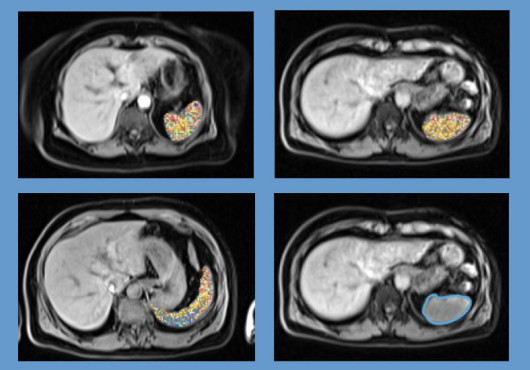
Research Provides Clues to Spleen’s Role in Coronary Artery Disease
Genetic variants may drive visible changes in the spleen that contribute to heart disease
Patient Who Received Pig Kidney Becomes First To Progress to Human Kidney Transplant
Study shows xenotransplantation can serve as a bridge for patients with end-stage kidney disease

Pilots, Flight Attendants Have Greater Risk of Radiation-Related Cancer Death Than Other Professions
Findings support efforts to protect U.S. aircrews from cosmic radiation exposure