
In 2013, the National Capital Poison Center reported over 3,000 cases of ingested batteries, with over 2,000 of those occurring in children less than six years old. The button-sized nubs can get stuck in the esophagus, leaving tissue burns, tearing the lining and even causing death. Now, researchers have created a shield that pastes directly onto the the negative terminal of the battery, a prototype of which has proven effective at preventing damage to the esophagus after being swallowed. Jeffrey Karp, associate professor of medicine at Brigham and Women’s Hospital, is a co-author of the study.
Trending News
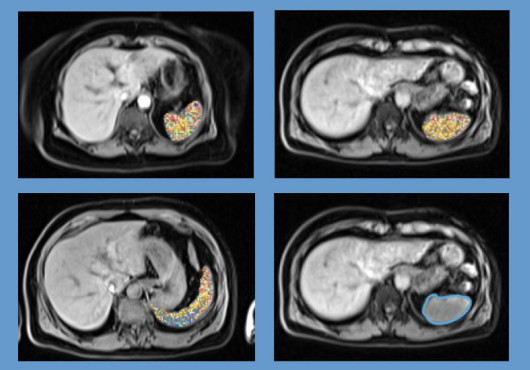
Research Provides Clues to Spleen’s Role in Coronary Artery Disease
Genetic variants may drive visible changes in the spleen that contribute to heart disease

Patient Who Received Pig Kidney Becomes First To Progress to Human Kidney Transplant
Study shows xenotransplantation can serve as a bridge for patients with end-stage kidney disease

Pilots, Flight Attendants Have Greater Risk of Radiation-Related Cancer Death Than Other Professions
Findings support efforts to protect U.S. aircrews from cosmic radiation exposure