The road to illuminating the biological mysteries of the human body is filled with hurdles, not the least of which is the daunting task of obtaining funding to support early-stage discoveries.
At Harvard Medical School, the Dean’s Innovation Awards addressed that challenge by providing catalytic early support for research projects probing some of the most confounding questions in biomedicine, such as the molecular roots of congenital heart disease, what fuels and regulates the brain’s energy consumption, and the interaction between the immune and nervous systems during infection.
Established by HMS Dean George Q. Daley in 2018, the awards program will conclude in 2023. It was designed to boost discovery science; catalyze collaborations; advance technology development; cultivate promising therapeutics projects; and improve health care quality, delivery, costs, and access. In all, more than $29 million was invested across the HMS community, supporting 92 projects involving 169 project leaders at 15 institutions.
Science & Medicine, Delivered
Harvard Medicine magazine in your inbox
The majority of these projects involved fundamental, curiosity-driven science led by faculty in the 11 basic and social science departments comprising the Blavatnik Institute at HMS. Twenty-five percent of the grants involved co-investigators at HMS’ affiliated hospitals and research institutes.
The impact of the Dean’s Innovation Awards continues today, as several researchers who received support said the program was critical in generating follow-on grants from external sources, such as the federal government, nonprofit organizations, and industry.
For example, of the 23 projects funded in 2018 by the Dean’s Innovation Grants in the Basic and Social Sciences, at least 12 thus far have reported receiving follow-on funding from external sources. Other funded projects — some slowed by COVID — remain ongoing.
“The Dean’s Innovation Awards were intended to seed creative new collaborative projects,” said Daley. “We’re proud to have catalyzed these efforts and are thrilled to see that many of our faculty have secured the follow-on funding needed to sustain their critically important research.”
Dean’s Innovation Award Projects
Here are just a few examples of projects that received seed money from the Dean’s Innovation Awards and subsequently obtained external funding based on that early work:
-
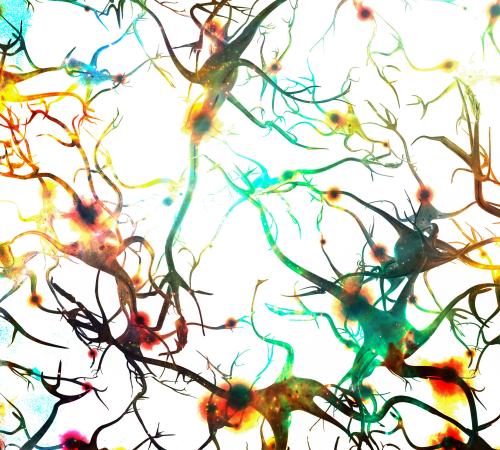
How the brain copes with changing energy demands
Mass spectrometry metabolomics in brain slice with time- and cell-type resolutionPrincipal investigator Gary Yellen, professor of neurobiology in the Blavatnik Institute at HMS, and co-principal investigator Nathalie Agar, HMS associate professor of neurosurgery and associate professor of radiology at Brigham and Women’s Hospital
Dean’s Innovation Award in the Basic and Social Sciences: $550,000
Subsequent funding: $2.2 million, National Institutes of Health R01 grantResearch by Gary Yellen and Nathalie Agar focuses on how different types of brain cells produce energy to perform their tasks in response to changing energy demands.
Cells of all kinds utilize a variety of metabolic pathways for energy production from different types of molecules – glucose, lactate, amino acids, fatty acids, among others. While common wisdom says that glucose is the exclusive fuel used by the brain, this is clearly an oversimplification, Yellen said. The two main types of brain cells – neurons and glia – have the machinery to produce energy from many sources of molecular fuel in addition to glucose. However, different fuels have different side effects that can be either beneficial or harmful to brain cells. For instance, Yellen said, reducing glucose use in the brain and increasing the amount of fatty acids can be remarkably effective for treating epileptic seizures that do not respond to medication. This approach has been used to treat drug-resistant epilepsy.
“We know surprisingly little about how this energy regulation works, and how it goes awry, as it is thought to do in aging or in neurodegenerative disease,” said Yellen. “This project will discover the key details of brain cell energy metabolism, including its dynamic response to brain activity and how it varies among different cell types in the brain. This knowledge will enable future work on disease mechanisms and how they might be corrected by therapeutics.”
Understanding different energy demands by brain cell type is critical to understanding overall brain function and dysfunction. That knowledge can inform which aberrations in cell metabolism can precipitate brain cell damage and eventually cell demise, and lead to neurodegenerative conditions. Understanding disease-associated aberrations in energy use and production can illuminate why certain conditions arise, and this in turn can lay the foundation for the development of treatments that prevent or halt neurodegeneration.
To answer these questions, the scientists are studying brain cells not in a lab dish but in intact tissue, using molecular imaging techniques to monitor cellular energy consumption, and measuring the use of different types of molecular fuel to monitor energy-producing biochemical pathways for each region in brain slices from healthy mice with and without stimulation.
“While we have far to go to understand exactly how different fuels affect the excitability and biology of brain cells, we must start by learning the ground truth of how and when different brain cells use different fuel molecules, in both health and disease,” Yellen said.
Image: bestdesigns/iStock/Getty Images Plus
-
How the immune and nervous systems interact during inflammation
Neural control of infection responses and sickness behaviorPrincipal investigator Isaac Chiu, HMS associate professor of immunobiology, and co-principal investigator Stephen Liberles, professor of cell biology in the Blavatnik Institute at HMS, HHMI Investigator
Dean’s Innovation Award in the Basic and Social Sciences: $400,000
Subsequent funding: $525,000, the Chan Zuckerberg InitiativeIsaac Chiu and Stephen Liberles and collaborator Henrique Veiga-Fernandes of the Champalimaud Foundation, are looking to map how the nervous system and immune system crosstalk during inflammation at the single-cell level. To do this, they are utilizing cutting-edge techniques to determine how neuroimmune interactions change during two types of inflammation – inflammation caused by viral infections or by allergies.
“This project is about understanding the crosstalk between the immune and nervous systems in a state of infection and inflammation. The overarching question we are asking is, how do these two systems engage in complex interplay to either enable or ward off disease,” Chiu said.
Our gut, lungs, and skin are densely packed with both nerve fibers and immune cells. Understanding how these systems communicate has implications for the treatment of inflammatory, infectious, and neurological diseases.
“For example, one area we are investigating is how neuroimmune crosstalk plays a role in influenza virus infections,” Chiu said. “We could see what kind of neurons are activated by immune cells during infection that causes us to become sick.”
Image: ipopba/iStock/Getty Images Plus
-
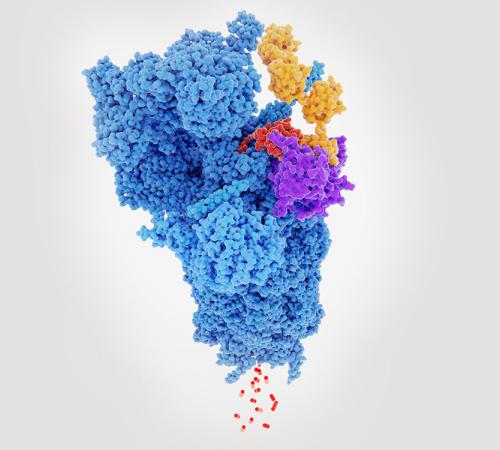
Probing protein function
Proteasome regulation and the ubiquitin codePrincipal Investigator Dan Finley, professor of cell biology in the Blavatnik Insitute at HMS, co-principal investigator Ying Lu, assistant professor of systems biology in the Blavatnik Insitute at HMS
Dean’s Innovation Award in the Basic and Social Sciences: $700,000
Subsequent funding (anticipated): Maximizing Investigators’ Research Award (MIRA), $1.5 millionDan Finley and Ying Lu are attempting to define the key mechanisms that regulate the activity of the proteasome — the trash-disposal system of our cells responsible for degrading and cleaning misfolded, defective, or old proteins. Malfunctions in the proteasome, which inhibit our cells’ ability to get rid of unneeded proteins, have been linked to a range of chronic diseases.
“We know from model organism studies that the activity of the proteasome promotes longevity and ameliorates some mechanisms of neurodegeneration,” said Finley.
The overall question the team is addressing is how the life span of a protein is governed. Proteins have limited life spans, and they are eventually eliminated through an active, complex process, with their components (amino acids) being recycled. Some proteins “live” for a few minutes, others for years – a remarkable range. This life span regulation also affects the activity levels of proteins, which can, in turn, affect the functions of various organs and organ systems. Both protein overactivity and protein deficiency could lead to organ dysfunction. Additionally, if proteins evade timely elimination in cells, said Finley, that can cause havoc in many ways, as such proteins are often toxic and disease-promoting.
The regulation of protein life span has been tied to various cancers and neurodegenerative diseases. To understand the intricacies in protein life span regulation, Finley and his collaborators are applying different techniques from multiple fields, including biochemistry, enzymology, genetics, cell biology, and structural biology.
Image: selvanegra/iStock/Getty Images Plus
-
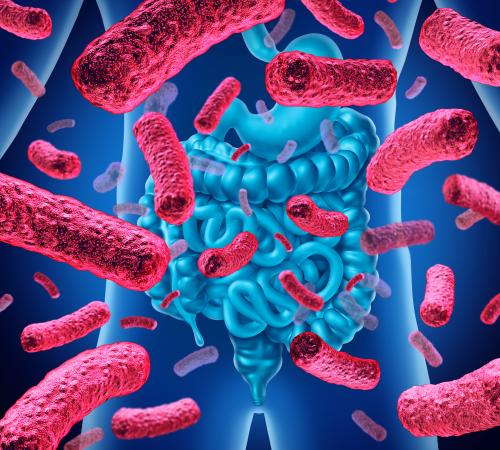
Tracking the trillion bugs that live in the intestines
Immunomodulatory metabolites from human gut bacteriaPrincipal investigator Sloan Devlin, assistant professor of biological chemistry and molecular pharmacology in the Blavatnik Institute at HMS, and co-principal investigator Jun Huh, associate professor of immunology in the Blavatnik Institute at HMS
Dean’s Innovation Award in the Basic and Social Sciences: $700,000
Subsequent funding: $2.8 million, National Institutes of Health R01 grantSloan Devlin and Jun Huh’s research is focused on the gut microbiome, made up of of trillions of microbes that act as powerful players in disease and health and are known to affect a range of functions, including that of the immune system, said Devlin. Changes in microbiome composition have been observed in patients with autoimmune diseases that affect the intestine, such as Crohn’s disease and ulcerative colitis.
Yet, just how these gut microbes interact with host immune cells on molecular and cellular levels remains unknown.
“This work aims to answer these questions and, in doing so, to help inform the design of small-molecule or probiotic treatments that counter inflammation,” said Devlin.
Understanding how various bacterial species interact with specific host genes to affect immune function can lay the foundation for therapies that can alter the gut microbiome as a way to treat immune-mediated diseases and improve health.
Specifically, the researchers are studying how bacterial metabolites affect the function of a class of immune cells called T cells, which play a key role in initiating and controlling immune response. According to Huh, dysfunction in these immune cells contributes to the development of autoimmune diseases.
Preliminary work by Devlin, Huh, and their team pinpointed three gut bacterial metabolites (isolithocholic acid, 3-oxo-lithocholic acid, and isoallolithocholic acid) that exert anti-inflammatory effects through T cell modulation, both in cell culture and in mice. Moreover, the researchers have found, the levels of these metabolites are significantly reduced in patients with inflammatory bowel diseases, suggesting that these molecules could modulate immune responses in humans.
Human microbiome composition has been associated with a number of inflammatory conditions, including inflammatory bowel disease, rheumatoid arthritis, and asthma. However, said Devlin, most studies performed to date have been correlative, not causal, in nature, cataloging bacteria that are different between health and disease states.
“We are trying to understand how human-associated bacteria affect host immune response. That is, what are the molecular mechanisms by which microbes, specifically bacteria that reside in our gut, modulate host immune response?”
Uncovering how the microbiome affects host immune response will pave the way for the development of new therapies to treat diseases of the immune system such as Crohn’s disease and ulcerative colitis, according to Devlin and Huh. This requires a multidisciplinary approach that brings together scientists and techniques from across different fields, including immunology, microbiology, chemical biology, molecular biology, analytical chemistry, biochemistry, and organic chemistry.
Image: wildpixel/iStock/Getty Images Plus
-
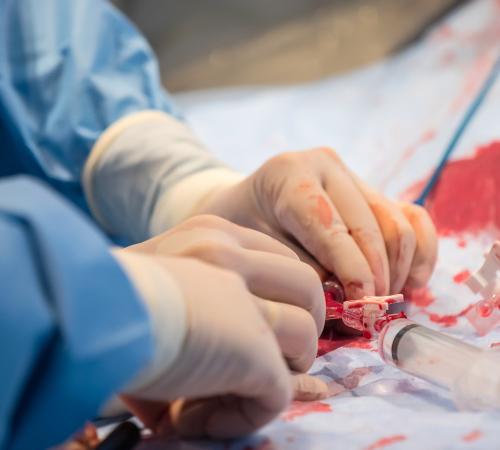
Understanding how congenital heart disease arises
Epigenetic landscape of cardiomyocyte differentiation and congenital heart diseasePrincipal investigator Christine Seidman, Thomas W. Smith Professor of Medicine in the Department of Genetics in the Blavatnik Institute at HMS, director, Cardiovascular Genetics Center, Brigham and Women’s Hospital, and co-principal investigator Sarah Morton, HMS assistant professor of pediatrics at Boston Children’s Hospital
Dean’s Innovation Seed Award in Epigenetics and Gene Dynamics: $30,000
Subsequent funding: $1.3 million, American Heart Association Career Development Award, National Institutes of Health K08 and R03 grantsNeonatologist Sarah Morton and cardiovascular geneticist Christine Seidman are collaborating to understand the early steps that lead to aberrations in the development of heart cells and culminate in congenital heart defects, which affect nearly 40,000 newborns in the United States each year and are the most common birth defect worldwide. Specifically, the researchers are seeking to define the role of chromatin — the DNA-protein complexes that make up our chromosomes — in the development of congenital heart disease (CHD).
“While we have made tremendous progress in diagnosing these conditions early and treating them promptly — both surgically and medically — the fundamental biology, the very molecular origins of congenital heart disease, continue to evade us,” Seidman said. “Our work is aimed at illuminating some of the factors that fuel the development of congenital heart disease at the molecular level.”
The team’s subsequent work will also focus on whether chromatin-modifying genes may also alter the risk for adverse neurologic outcomes among people with CHD.
Research has shown that genetic variations contribute to the development of heart disease in utero. However, most patients born with heart defects do not receive a genetic diagnosis, in part because less than half of the estimated 400 genes that may contribute to congenital heart defects have been identified.
Previous research has suggested that patients with CHD have more variants in genes that regulate chromatin state, also known as chromatin-modifying genes. To identify additional chromatin-modifying genes that may contribute to CHD risk, Morton and Seidman analyzed exome sequencing data from 4,050 individuals with CHD and their parents, as well as whole genome sequencing data from 749 patient–parent trios. Their analysis showed individuals born with heart defects harbor rare gene variants that disrupt protein expression in seven chromatin-modifying genes.
To understand the roots of congenital heart disease at the chromatin level, Morton and Seidman are replicating, in the lab, steps of early cardiac development. They are studying how variants in the chromatin-modifying genes affect the expression of induced pluripotent stem cells in a dish as these cells differentiate to become cardiac muscle cells, or cardiomyocytes.
Image: ShutterOK/iStock/Getty Images Plus