The future of federally funded research at Harvard Medical School — supported by taxpayers and done in service to humanity — remains uncertain. Learn more.
Medical data holds the key to more individualized patient care, but concerns about patient privacy often keep it out of reach of the researchers and companies best positioned to mine it for insights.
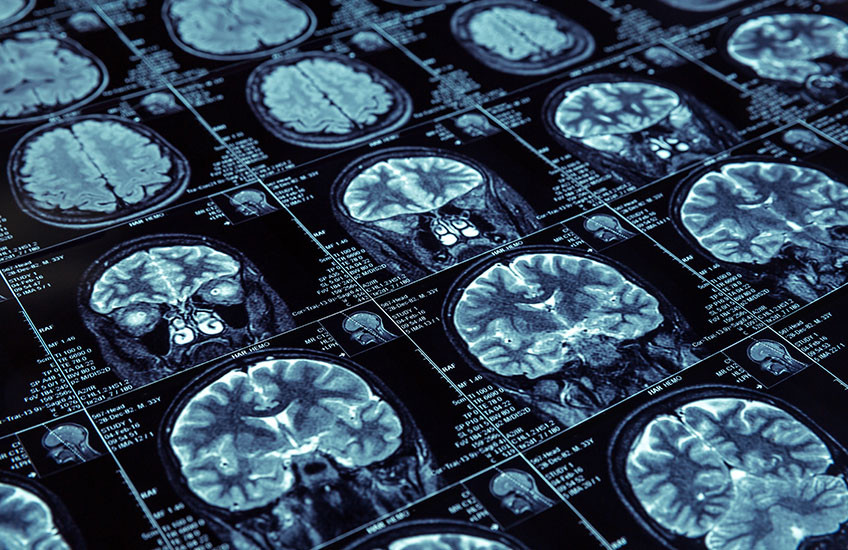
Now, in collaboration with the University of Utah, Harvard Medical School researchers at Boston Children’s Hospital have received a three-year contract for up to $42 million from the Advanced Research Projects Agency for Health (ARPA-H) to build a secure national platform that brings research and AI development to medical imaging data where it already lives, so patient data never leaves the hospital.
The Health Asset Registry for Bioimaging, Orchestration, & Reuse, or HARBOR, will provide hospitals with a secure environment to host their data as part of a new secure federation spanning public clouds and hospital infrastructure, with the ultimate goal of improving patient care.
“This project has tremendous potential to unlock the next wave of personalized patient care,” said P. Ellen Grant, the HMS Kaethe Beutler, MD Professor of Pediatrics and Professor of Radiology at Boston Children’s. “As a pediatric neuroradiologist, I see many conditions so rare that no single hospital has enough cases to understand them deeply. HARBOR lets us work and learn together across institutions without compromising patient privacy, so we can develop tools that provide more precise, individualized care for each child.”
Grant is co-leading the project with Rudolph Pienaar, HMS assistant professor of radiology at Boston Children’s, and Valerio Pascucci, professor of computer science at University of Utah.
Read the full story from Boston Children’s.