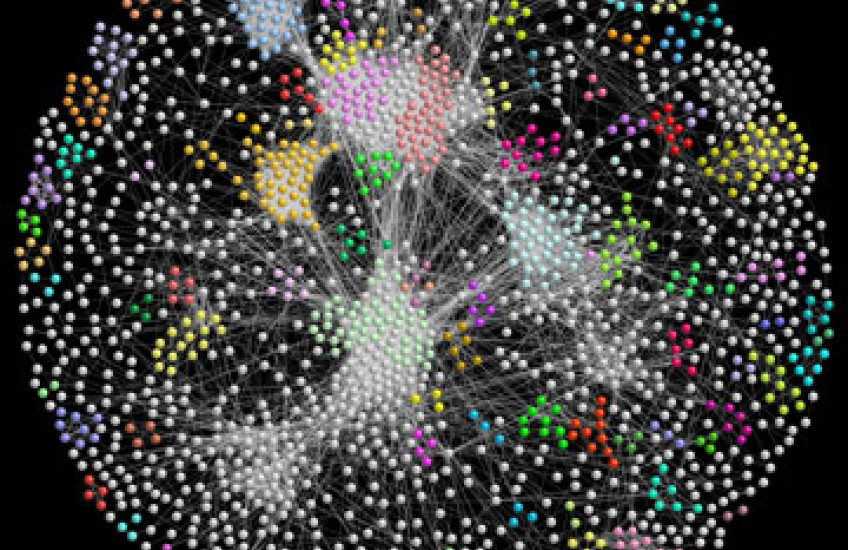
Researchers have built a map that shows how thousands of proteins in a fruit fly cell communicate with each other. This is the largest and most detailed protein interaction map of a multicellular organism, demonstrating how approximately 5,000, or one third, of the proteins cooperate to keep life going
Taking aim at the alarming slowdown in the development of new and lifesaving drugs, Harvard Medical School is launching an Initiative in Systems Pharmacology, a comprehensive strategy to transform drug discovery by convening biologists, chemists, pharmacologists, physicists, computer scientists and clinicians to explore together how drugs work in complex systems
A new study finds that a protein key to Parkinson’s disease has likely been mischaracterized. The protein, alpha-synuclein, appears to have a radically different structure in healthy cells than previously thought, challenging existing disease paradigms and suggesting a new therapeutic approach.
A team led by Joan Brugge, the Louise Foote Pfeiffer Professor of Cell Biology at Harvard Medical School, recently shed light on how ovarian cancer spreads. In a paper to be published in the July edition of the journal Cancer Discovery, the newest journal of the American Association for Cancer Research, Brugge and colleagues found that ovarian cancer cells act like bullies, using brute force to plow their way through tissue and colonize additional organs.