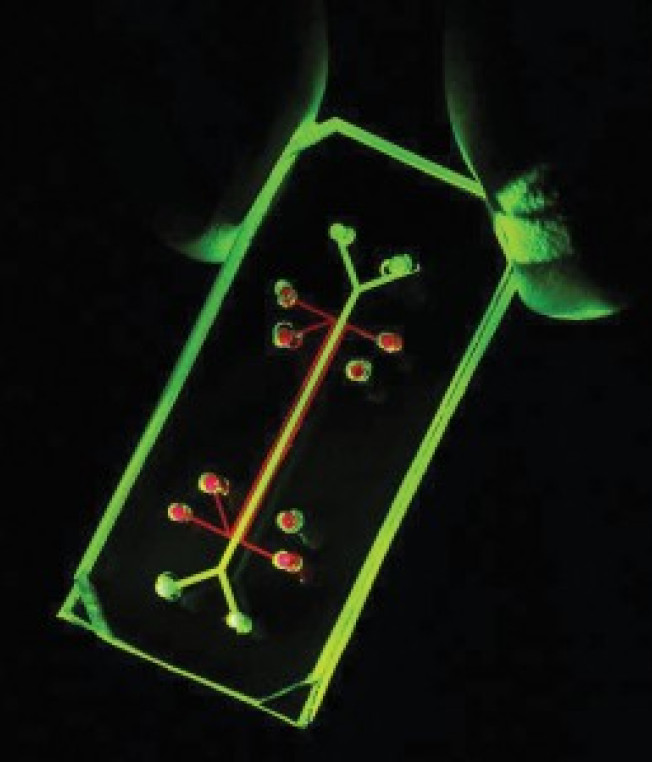
Researchers from the Wyss Institute for Biologically Inspired Engineering at Harvard University, HMS and Children’s Hospital Boston have created a device on a microchip that mimics a living, breathing human lung. About the size of a rubber eraser, it makes use of human lung and blood vessel cells
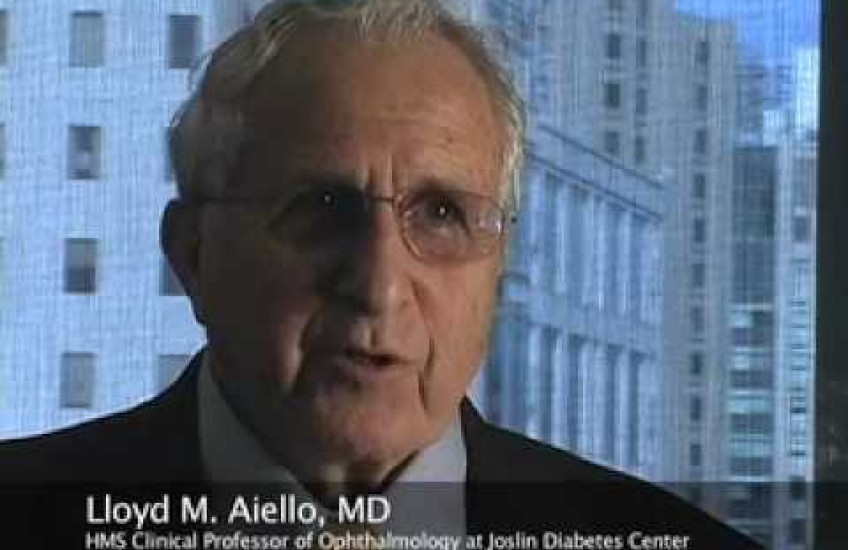
Lloyd M. Aiello, an HMS clinical professor of ophthalmology at Joslin Diabetes Center’s Beetham Eye Institute, will receive the 2008/2009 Warren Alpert Foundation Prize on Sept. 29. As part of the day’s celebration, Aiello will give a talk at a symposium beginning at 2 pm at Joslin Diabetes Center in Boston. As an Alpert Prize recipient, Aiello joins an elite group of physician-scientists and researchers, seven of whom have also won the Nobel Prize
In certain respects, cells are less like machines and more like people. True, they have lots of components, but they also have lots of personality. For example, when specific groups of people are studied in aggregate (conservatives, liberals, atheists, evangelicals), they appear to be fairly uniform and predictable. But when looked at one person at a time, individuals often break the preconceptions
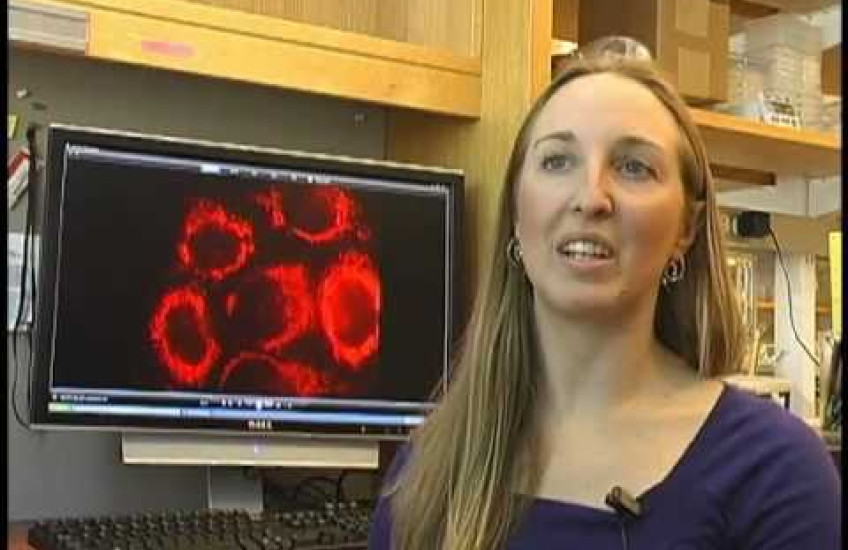
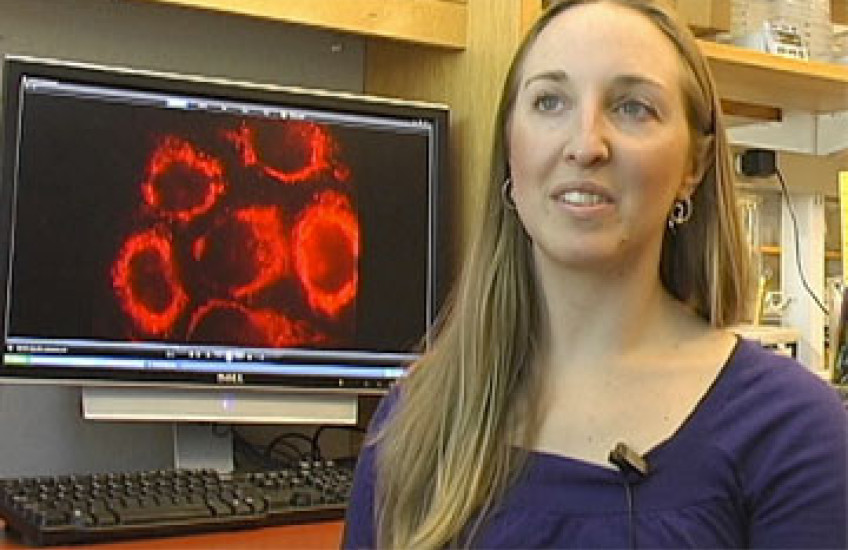
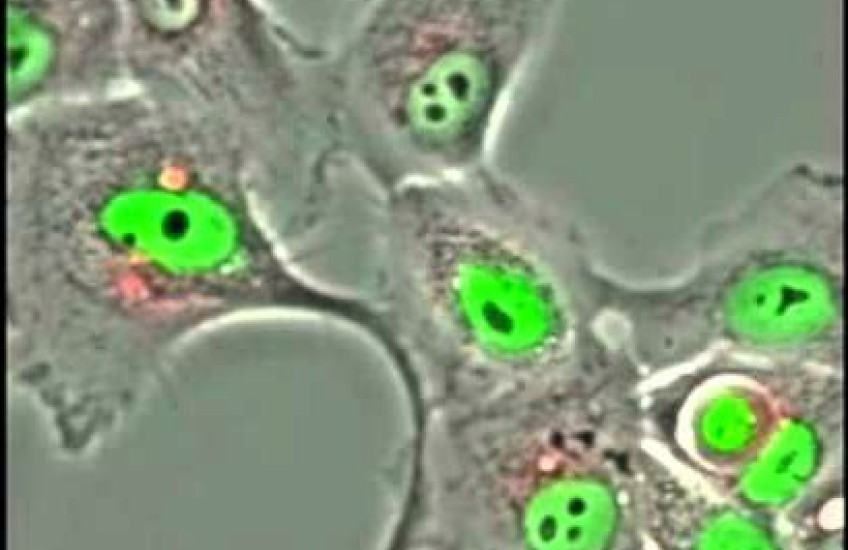
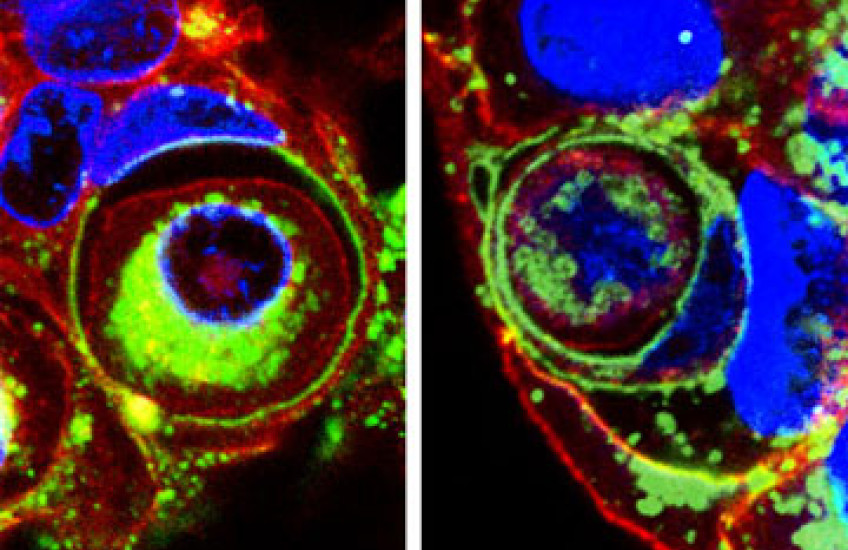
Tracking the fate of “homeless” cells, Michael Overholtzer was watching human mammary epithelial MCF10A cells wander in suspension, free of their normal attachments, when he noticed something strange. Many of the drifters contained giant vacuoles that appeared to house whole cells. And these internalized cells were intact, an observation he later confirmed.
Forty years ago, Alfred Goldberg, now a professor of cell biology at Harvard Medical School (HMS), had many questions in mind that led him to abandon his medical studies. They were getting in the way of his education, he said about his decision to devote himself to basic research.