
Calling an illness “prostate cancer” or “breast cancer” doesn’t get to the core of the problem. That classification system—using organs and parts of bodies—is far too broad. Even categorizing cancers based on a specific cell type within an organ, bone or muscle, such as the lining of the kidney, isn’t enough. The truth is that cancer cells are more genetically diverse than that and are driven by the genetic mutations they carry. And that determines the course of treatment a patient will undergo. Mehmet Toner, Helen Andrus Benedict Professor of Surgery at Massachusetts General Hospital, is mentioned. Keith Flaherty, associate professor of medicine at Massachusetts General Hospital, is quoted.
Trending News
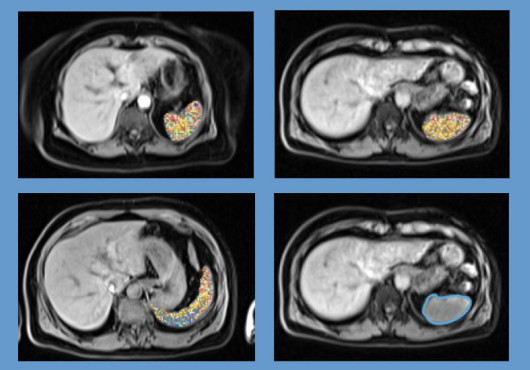
Research Provides Clues to Spleen’s Role in Coronary Artery Disease
Genetic variants may drive visible changes in the spleen that contribute to heart disease

Patient Who Received Pig Kidney Becomes First To Progress to Human Kidney Transplant
Study shows xenotransplantation can serve as a bridge for patients with end-stage kidney disease

Pilots, Flight Attendants Have Greater Risk of Radiation-Related Cancer Death Than Other Professions
Findings support efforts to protect U.S. aircrews from cosmic radiation exposure