
Sparked by the sequencing of the human genome a decade ago, a new generation of prenatal screening tests has exploded onto the market. The unregulated screens claim to detect with near-perfect accuracy the risk that a fetus may have Down syndrome and a growing list of other chromosomal abnormalities. Hundreds of thousands of women in early pregnancy have taken these tests, but a three-month examination by the New England Center for Investigative Reporting has found that companies are overselling the accuracy of their tests and doing little to educate expecting parents or their doctors about the significant risks of false alarms. Michael Greene, professor of obstetrics, gynecology and reproductive biology at Massachusetts General Hospital, is quoted.
Trending News

Pilots, Flight Attendants Have Greater Risk of Radiation-Related Cancer Death Than Other Professions
Findings support efforts to protect U.S. aircrews from cosmic radiation exposure
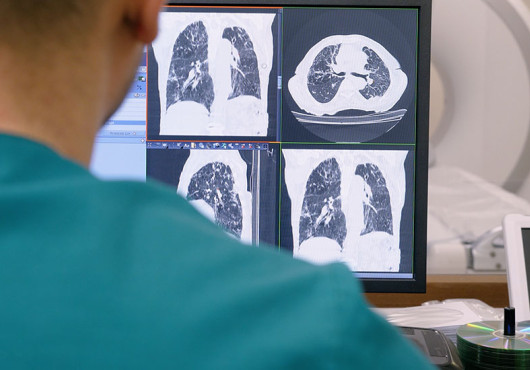
Rare Inherited Genetic Mutation Is One of Strongest Indicators Yet for Lung Cancer Risk
Influence of EGFR variant could expand screening guidelines
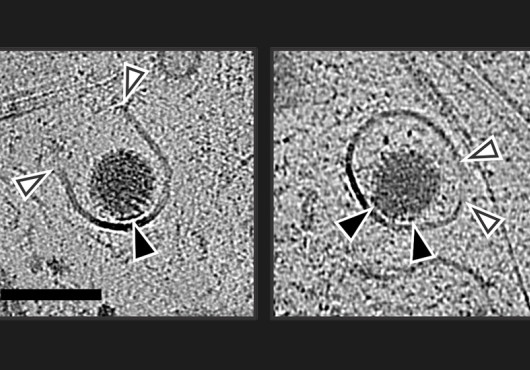
‘Molecular Movie’ Fills in Blanks of How Non-Enveloped Viruses Infect Cells
Cryo-ET of rotavirus answers decades-old virology question, could inform drug delivery techniques