
When the FDA approved a drug called Colcrys to treat acute gout attacks, the move came as part of an agency initiative to regulate medicines that had never been formally approved, but were on the market when the FDA received authority to oversee the drug approval process. In this instance, Colcrys was the brand name given colchicine, which was sold for decades by several companies and cost 9 cents a pill. URL Pharma won FDA approval – and seven years of marketing exclusivity – by running a small study that gauged the effectiveness of different dosages. URL sued other colchicine makers and, by early 2011, marketing exclusivity took hold. And Colcrys cost $5 a pill. Now, a new study says the approval was not worth the effort, at least for patients. Aaron Kesselheim, associate professor of medicine at Brigham and Women’s Hospital, is a study coauthor.
Trending News
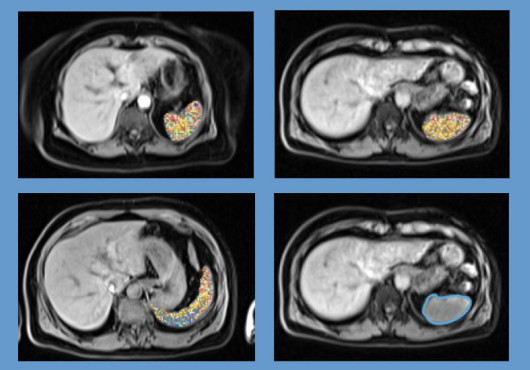
Research Provides Clues to Spleen’s Role in Coronary Artery Disease
Genetic variants may drive visible changes in the spleen that contribute to heart disease

Patient Who Received Pig Kidney Becomes First To Progress to Human Kidney Transplant
Study shows xenotransplantation can serve as a bridge for patients with end-stage kidney disease

Pilots, Flight Attendants Have Greater Risk of Radiation-Related Cancer Death Than Other Professions
Findings support efforts to protect U.S. aircrews from cosmic radiation exposure