
Collaborating to combat decline in cognitive skills
Research and Therapeutics
Many adults experience memory loss and struggle to learn new skills as they get older—two frustrating realities of aging that scientists are working tirelessly to better understand. Yet, the abundance of research on age-related diseases like Alzheimer’s has so far revealed surprisingly little about how the human brain changes during the normal aging process. As a result, there are currently no reliable therapies to minimize cognitive decline and extend a healthy life span.
To address this knowledge gap, the Simons Foundation has awarded grants totaling $2,250,000 to three principal investigators in the Blavatnik Institute at Harvard Medical School. The grants are part of the Simons Collaboration on Plasticity and the Aging Brain (SCPAB), which aims to understand the changes in the brain during aging and how those changes contribute to poorer memory and declines in other cognitive abilities. Each researcher will receive $750,000 to participate in collaborations spanning multiple labs and institutions.
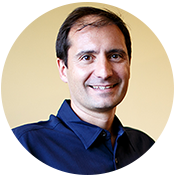
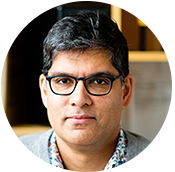
Working together with two other labs, Sandeep Robert “Bob” Datta, MD ’04, PhD ’04, a professor of neurobiology, and Bernardo L. Sabatini, SB ’91, MD ’99, PhD ’99, the Alice and Rodman W. Moorhead III Professor of Neurobiology, will create a mouse research paradigm to study the decline of brain plasticity during aging.
The group will use cutting-edge machine vision and machine learning techniques to create an atlas of mouse behavior across the life span. According to Datta, scientists want to understand the underlying changes in the brain that correspond to the systemic behavioral changes and declines in learning potential observed during typical aging. “Our work is high-risk, high-reward—we are inventing tools to measure animal behavior as we go—so having relatively flexible funding is truly enabling,” Datta says.
Our work is high-risk, high-reward—we are inventing tools to measure animal behavior as we go—so having relatively flexible funding is truly enabling.
Sandeep Robert Datta
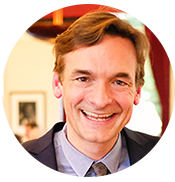
As part of a collaboration spanning eight labs and research institutions across the U.S.—including the aforementioned Stevens Lab at BCH—Steven A. McCarroll, PhD, the Dorothy and Milton Flier Professor of Biomedical Science and Genetics, will study hundreds of postmortem brain tissue specimens from adults ranging in age from 25 to 98. The goal is to identify how each cell type in the human brain changes with advancing age. To do this, the lab will analyze gene expression at a single-cell resolution over hundreds of thousands of cells.
McCarroll says: “To truly understand human cognitive aging, we need to look at an enormous number of humans to see patterns emerge. Projects with this scope are typically prohibitively expensive, so we are very appreciative to be able to engage this question with the kind of sample size that the problem needs.”