
That’s the drawback of the modern lab mouse. It’s cheap, efficient, and highly standardized—all of which qualities have made it the favorite tool of large-scale biomedical research. But there’s a danger to taking so much of our knowledge straight from the animal assembly line. The inbred, factory-farmed rodents in use today—raised by the millions in germ-free barrier rooms, overfed and understimulated and in some cases pumped through with antibiotics—may be placing unseen constraints on what we know and learn.
Trending News
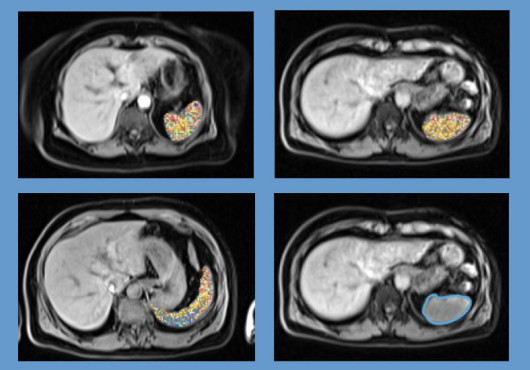
Research Provides Clues to Spleen’s Role in Coronary Artery Disease
Genetic variants may drive visible changes in the spleen that contribute to heart disease

Patient Who Received Pig Kidney Becomes First To Progress to Human Kidney Transplant
Study shows xenotransplantation can serve as a bridge for patients with end-stage kidney disease

Pilots, Flight Attendants Have Greater Risk of Radiation-Related Cancer Death Than Other Professions
Findings support efforts to protect U.S. aircrews from cosmic radiation exposure