
Individual cells have been turned into tiny lasers. The feat allows cells to be labeled and monitored more accurately, which could boost our ability to track the spread of diseases such as cancer. Matjaž Humar, research fellow in dermatology at Massachusetts General Hospital, is quoted.
Trending News
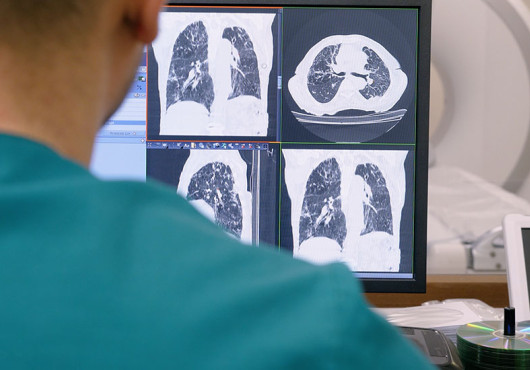
Rare Inherited Genetic Mutation Is One of Strongest Indicators Yet for Lung Cancer Risk
Influence of EGFR variant could expand screening guidelines

Pilots, Flight Attendants Have Greater Risk of Radiation-Related Cancer Death Than Other Professions
Findings support efforts to protect U.S. aircrews from cosmic radiation exposure
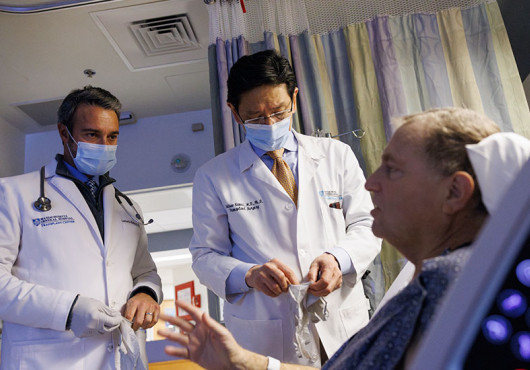
Patient Who Received Pig Kidney Becomes First To Progress to Human Kidney Transplant
Study shows xenotransplantation can serve as a bridge for patients with end-stage kidney disease