
All our social interactions require us to anticipate another person’s undecided intentions and actions. Now, researchers have discovered specific brain cells that allow monkeys to do this. It is likely that the cells do the same job in humans. Keren Haroush, instructor in neurosurgery and Ziv Williams, associate professor of neurosurgery, both of Massachusetts General Hospital, led the study.
Trending News
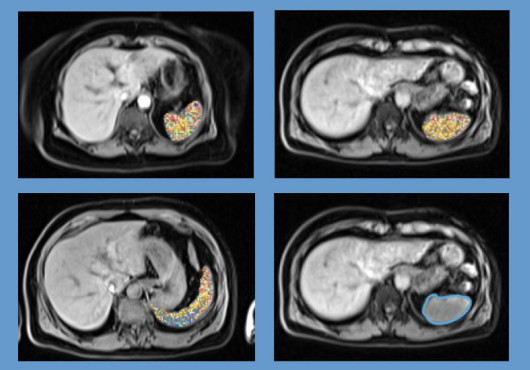
Research Provides Clues to Spleen’s Role in Coronary Artery Disease
Genetic variants may drive visible changes in the spleen that contribute to heart disease
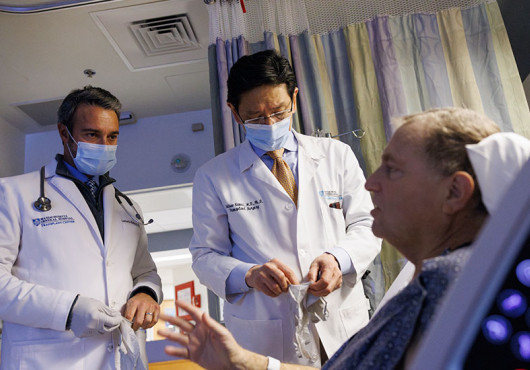
Patient Who Received Pig Kidney Becomes First To Progress to Human Kidney Transplant
Study shows xenotransplantation can serve as a bridge for patients with end-stage kidney disease

Pilots, Flight Attendants Have Greater Risk of Radiation-Related Cancer Death Than Other Professions
Findings support efforts to protect U.S. aircrews from cosmic radiation exposure