
Palliative-care teams—which may include specially trained physicians, nurses, social workers, chaplains, and others—provide an added layer of support for people facing serious health problems and for their families. Vicki Jackson, assistant professor of medicine at Massachusetts General Hospital; Janet Abrahm, professor of medicine at Dana-Farber Cancer Institute; Joanne Wolfe, associate professor of pediatrics at Boston Children’s Hospital; Susan Block, professor of psychiatry at Dana-Farber; Atul Gawande, Samuel O. Thier Professor of Surgery at Brigham and Women’s Hospital; and Angelo Volandes, assistant professor of medicine at Massachusetts General Hospital, are quoted.
Trending News
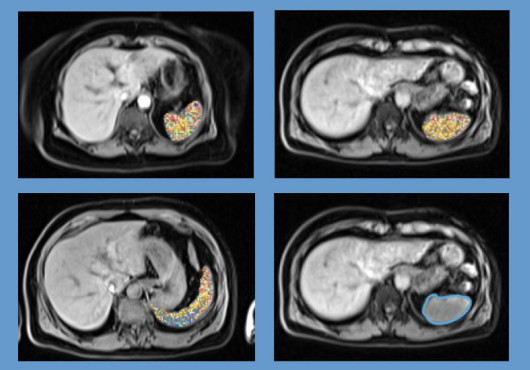
Research Provides Clues to Spleen’s Role in Coronary Artery Disease
Genetic variants may drive visible changes in the spleen that contribute to heart disease
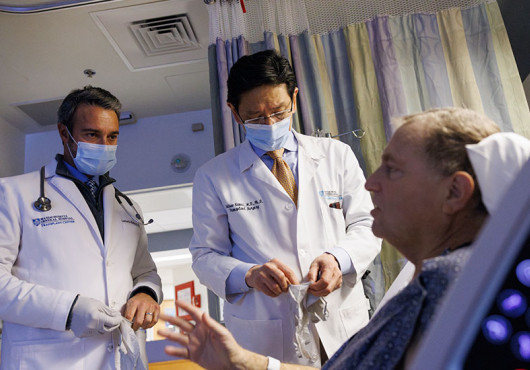
Patient Who Received Pig Kidney Becomes First To Progress to Human Kidney Transplant
Study shows xenotransplantation can serve as a bridge for patients with end-stage kidney disease

Pilots, Flight Attendants Have Greater Risk of Radiation-Related Cancer Death Than Other Professions
Findings support efforts to protect U.S. aircrews from cosmic radiation exposure