
When 911 dispatchers get a call that someone has collapsed and stopped breathing, they quickly notify first responders. In hundreds of communities across the country, they also send out alerts via smartphone, summoning everyday citizens who have been trained in cardiopulmonary resuscitation. Carlos Camargo, professor of emergency medicine at Massachusetts General Hospital, is quoted.
Trending News
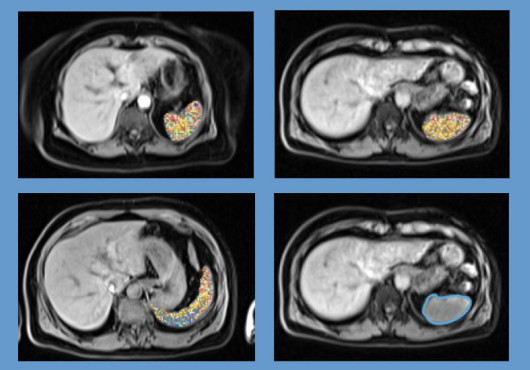
Research Provides Clues to Spleen’s Role in Coronary Artery Disease
Genetic variants may drive visible changes in the spleen that contribute to heart disease
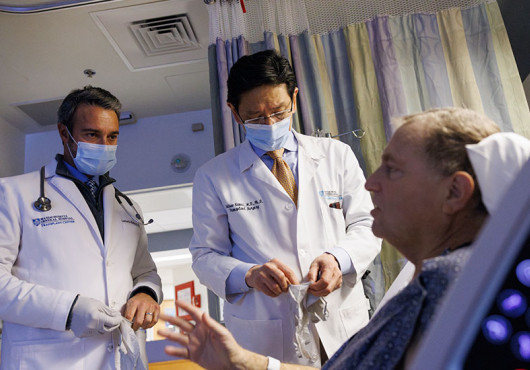
Patient Who Received Pig Kidney Becomes First To Progress to Human Kidney Transplant
Study shows xenotransplantation can serve as a bridge for patients with end-stage kidney disease

Pilots, Flight Attendants Have Greater Risk of Radiation-Related Cancer Death Than Other Professions
Findings support efforts to protect U.S. aircrews from cosmic radiation exposure