
Myopia has become something of a minor epidemic: More than 40 percent of Americans are nearsighted, a 16 percent increase since the 1970s. People with so-called high myopia — generally, blurry vision beyond about five inches — face an increased likelihood of developing cataracts and glaucoma, are at higher risk for retinal detachments that can result in blindness. Exactly what is causing the nationwide rise in nearsightedness is not known. David G. Hunter, professor of ophthalmology at Boston Children’s Hospital, is quoted.
Trending News
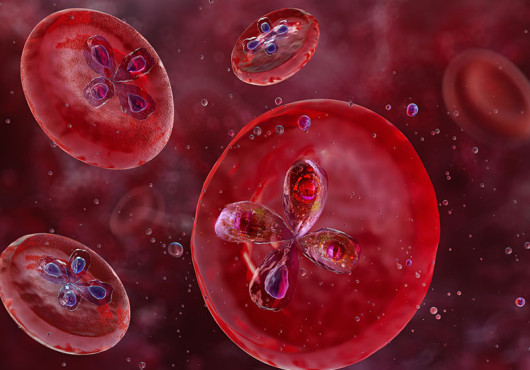
Search for Babesiosis Treatment Gets a New Map
New clues to help fight tick-borne disease
Can an AI ‘Co-Scientist’ Accelerate Cancer Research?
Nearly $7 million funds agentic AI tools to assist investigations into cancer’s most pressing…

First Large-Scale Study Shows How Doctors Use AI in Medicine
Which practitioners use artificial intelligence in the clinic, and what do they ask?