
Despite high risk factors, Latinos in California have “spectacular health outcomes,” David Hayes-Bautista told a skeptical audience at last month’s Latino Health Forum, sponsored by the HMS Office for Diversity and Community Partnership. The professor of medicine and director of the Center for the Study of Latino Health and Culture at UCLA was referring to the Vital Statistics of L.A. County, which show that mortality rates from disease—including cardiovascular disease, cancer, stroke, and infant mortality—are lower for Latinos in California than for the state’s majority population.
Where did these healthy behaviors come from? “Maybe we need to look at the culture to understand the role of all the grandmas,” he suggested. Close proximity to abuelas (grandmothers) in the community, ready with advice and support, are part of the reason pregnant Latinas are less likely to smoke and use drugs. The result is healthier babies. Hayes-Bautista calls this phenomenon “cultural competence in medicine” and notes that as Latinos become more acculturated, these healthy behaviors start to weaken.
“We still don’t know what the mechanisms are and how they work to promote health,” Hayes-Bautista said. “We need more studies.” He encouraged students and researchers in the audience to do prospective research on the importance of women in transmitting culture, as well as the role of spirituality, family, and social networks.
Considering that Latinos are projected to make up 40 percent of the California population by 2040, Hayes-Bautista asked the audience to “look at the strengths that diversity could bring to public health.”
Trending News
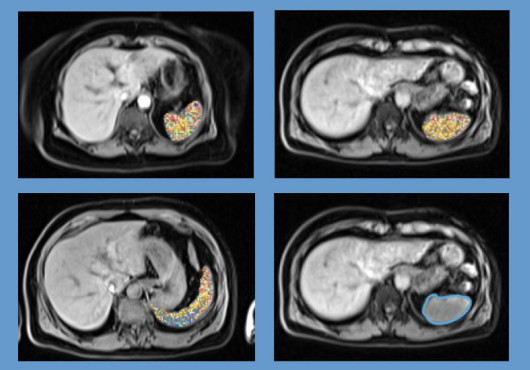
Research Provides Clues to Spleen’s Role in Coronary Artery Disease
Genetic variants may drive visible changes in the spleen that contribute to heart disease
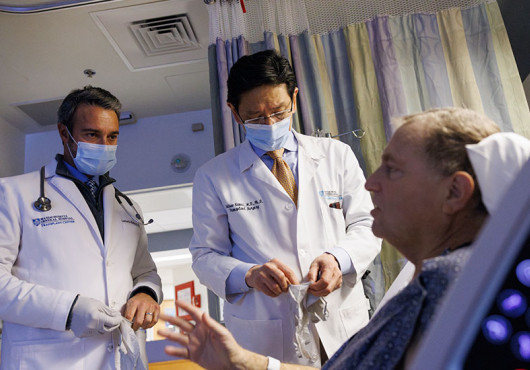
Patient Who Received Pig Kidney Becomes First To Progress to Human Kidney Transplant
Study shows xenotransplantation can serve as a bridge for patients with end-stage kidney disease

Pilots, Flight Attendants Have Greater Risk of Radiation-Related Cancer Death Than Other Professions
Findings support efforts to protect U.S. aircrews from cosmic radiation exposure