
In a study published online this week, UC San Dieago researchers report that an introduced mutation disabled both normal copies of a pigmentation gene on the fruit fly chromosomes, transmitting itself to the next generation with 97% efficiency—a near-complete invasion of the genome. The secret of its success: an increasingly popular gene-editing toolkit called CRISPR, which the researchers adapted to give the mutation an overwhelming advantage. George Church, Robert Winthrop Professor of Genetics, is quoted.
Trending News
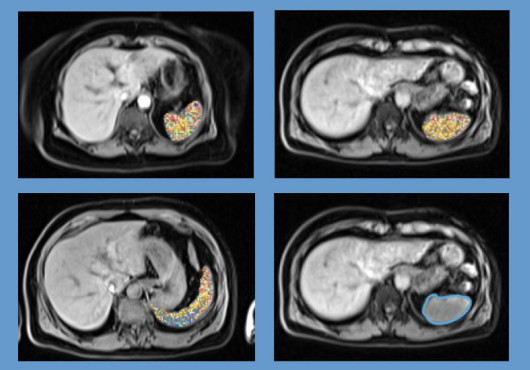
Research Provides Clues to Spleen’s Role in Coronary Artery Disease
Genetic variants may drive visible changes in the spleen that contribute to heart disease

Patient Who Received Pig Kidney Becomes First To Progress to Human Kidney Transplant
Study shows xenotransplantation can serve as a bridge for patients with end-stage kidney disease

Pilots, Flight Attendants Have Greater Risk of Radiation-Related Cancer Death Than Other Professions
Findings support efforts to protect U.S. aircrews from cosmic radiation exposure