
Imagine what it must have been like to look through the first telescopes or the first microscopes, or to see the bottom of the sea as clearly as if the water were gin. This is how students of human prehistory are starting to feel, thanks to a new ability to study ancient DNA extracted from bodies and bones in archaeological sites. David Reich, professor of genetics, is mentioned.
Trending News

Pilots, Flight Attendants Have Greater Risk of Radiation-Related Cancer Death Than Other Professions
Findings support efforts to protect U.S. aircrews from cosmic radiation exposure
Rare Inherited Genetic Mutation Is One of Strongest Indicators Yet for Lung Cancer Risk
Influence of EGFR variant could expand screening guidelines
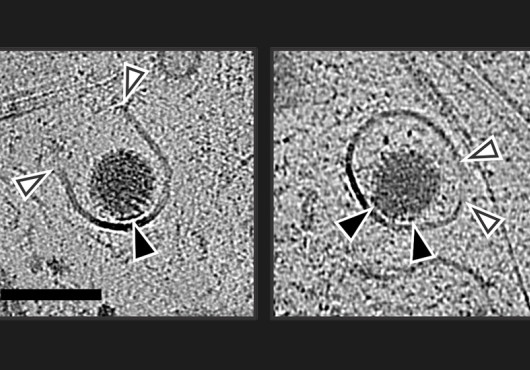
‘Molecular Movie’ Fills in Blanks of How Non-Enveloped Viruses Infect Cells
Cryo-ET of rotavirus answers decades-old virology question, could inform drug delivery techniques