
Scientists have gained new insights into why some people develop long COVID after being infected with SARS-CoV-2.
Researchers at Harvard Medical School and Beth Israel Deaconess Medical Center analyzed blood samples to track immunologic and inflammatory responses over time in patients who developed long COVID and in those who did not. One of the key differences they discovered in patients with long COVID was evidence of persistent chronic inflammation long after acute illness.
Despite the fact that an estimated 15 million Americans are dealing with long COVID, effective treatments are lacking. The team hopes that elucidating the possible role of chronic inflammation in driving long COVID will open the door to new treatment strategies. Thus far, treatments have largely focused on antivirals rather than anti-inflammatory medicines.
“Our findings show that long COVID in humans is characterized by persistent activation of chronic inflammatory pathways, which defines new potential therapeutic targets,” said senior author Dan Barouch, the HMS William Bosworth Castle Professor of Medicine and professor of immunology at Beth Israel Deaconess.
Findings are published Dec. 12 in Nature Immunology.
Back to the basics
Symptoms of long COVID include fatigue, brain fog, shortness of breath, exercise intolerance, and cognitive decline for months or even years.
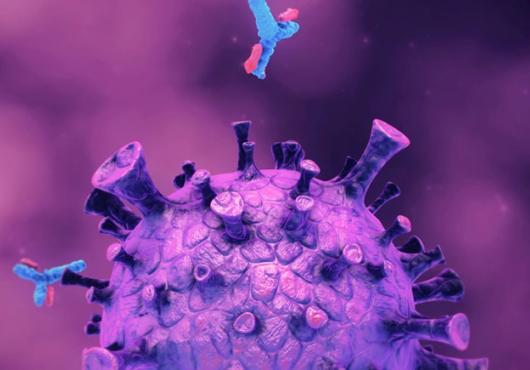
Doctors and scientists don’t fully understand why some people develop long COVID while others don’t. A popular hypothesis has been that the condition arises from viral fragments that endure in the body.
There is currently no specific treatment for long COVID, Barouch noted. Most clinical trials to date have focused on testing antiviral agents to clear lingering virus in those with the condition, he added, but results so far have not shown effectiveness.

Barouch and colleagues sought answers by setting out to learn more about the basic biology of long COVID, including molecular changes in the immune system that may underpin the condition.
“This bridge between data and clinical action is essential for advancing patient care,” said first author Malika Aid Boudries, HMS assistant professor of medicine at Beth Israel Deaconess.
The researchers took a comprehensive approach, integrating data on immune responses, viral markers, gene expression, and plasma proteins to develop a detailed profile of the immune system during long COVID. This “multi-omic” technique allowed them to compare immune and inflammatory responses in patients living with long COVID to those of people never infected with SARS-CoV-2, individuals acutely infected, and individuals who fully recovered.
The study included 179 patients from two cohorts, one from 2020-2021 and another from 2023-2024. The team analyzed blood samples three to six months after initial infection and again more than six months later.
The analysis revealed clear differences in specific molecular signaling pathways — the series of chemical reactions that regulate body functions — that appear to be the hallmarks of long COVID. Patients with long COVID demonstrated signs of chronic inflammation, immune system depletion, and disruptions in cellular metabolism not seen in patients who fully recovered from COVID-19.
Those whose immune systems showed the greatest inflammation at the start of infection were also more likely to face lingering symptoms later, the team found — a sign that the body’s early fight against the virus may, in some cases, set the stage for long COVID.
The researchers also identified specific immune and inflammatory proteins and molecular signatures that could serve as targets for therapies aimed at calming chronic inflammation and restoring healthy immune function.
More research is needed to confirm the results — including larger studies from more diverse populations — and to explore the therapeutic potential of the pathways the team identified.
The team has already initiated a phase 2a clinical trial of abrocitinib, an immune-modulating drug approved by the FDA for atopic dermatitis (eczema), to evaluate the efficacy of targeting one of the top inflammatory signaling pathways identified in the study.
Adapted from a Beth Israel Deaconess press release.