Harvard Medical School has announced 10 recipients of the Blavatnik Institute Early Career Investigator Awards. Totaling $5 million, these grants are designed to fuel high-potential research conducted by some of the most exceptional junior faculty members — those within the first decade of their careers as principal investigators — on the HMS Quadrangle.
The awards were made possible by ongoing support from the Blavatnik Family Foundation that aims to spur scientific advancement and transform those discoveries into new therapies and new tools to diagnose, prevent, and treat disease.
“Thanks to the generosity of Len Blavatnik and the Blavatnik Family Foundation, we are enabling extraordinarily promising science at the most vulnerable stage in young investigators’ careers,” said HMS Dean George Q. Daley.
The competitive funds were awarded to fewer than 1 in 3 applicants, Daley reported. Proposals were reviewed by a committee of senior faculty members from multiple departments in the Blavatnik Institute at HMS.
“Applications that rose to the top had a compelling vision for the future of where their research could lead,” said David Golan, dean for research initiatives and global programs at HMS and chair of the review committee. His office will administer the awards in conjunction with Quad department leaders.
Each awardee will receive up to $500,000 across two years.
Such support is vital for allowing early-career scientists to explore high-risk research paths and generate evidence that can then attract career-sustaining grants from entities such as the National Institutes of Health or private foundations. The funds are especially critical at a time when federal support for science in the United States and at Harvard University is threatened and the future is increasingly uncertain.
“The uncertainty of the past several months has been extremely difficult, and I am most concerned about our junior faculty and trainees,” said Daley. “They’re here at HMS because they’re the best — dedicated, driven, creative, and audacious. We’re doing everything we can to support them.”

One intention of the Blavatnik Institute Early Career Investigator Awards is to advance recipients’ research to the point where they can submit strong applications for the Blavatnik Therapeutics Challenge Awards at the end of the two-year period. BTCAs, also supported by the Blavatnik Family Foundation, are granted to projects in the HMS community that promise to accelerate the development of new therapies and advance biomedical innovation.
Learn more about the Early Career Investigator awardees:
Cancer metabolism
Markus Basan, associate professor of systems biology, aims to uncover the fundamental drivers of the Warburg effect, a long-standing mystery in cancer biology in which cancer cells ferment glucose into lactate instead of using mitochondrial respiration. The results could help researchers identify additional vulnerabilities of cancers and lead to new treatments.
Polycystic kidney disease
Alan Brown, associate professor of biological chemistry and molecular pharmacology, studies diseases that arise from dysfunction of hair-like cell structures called cilia. His awarded project will illuminate the mechanisms behind disrupted transport of polycystin proteins into cilia — the main feature of polycystic kidney disease, a genetic condition that affects millions of people and can cause kidney failure. He hopes the findings will fuel development of treatments that stop or reverse disease progression.
“This timely support from the Blavatnik Family Foundation allows us to expand our efforts researching the causes of human ciliopathies, which are understudied, underdiagnosed, and sadly lacking effective treatments,” Brown said.
Pregnancy and the microbiome
Sloan Devlin, associate professor of biological chemistry and molecular pharmacology, will investigate molecules produced by the microbiome that change during pregnancy and may contribute to conditions such as gestational diabetes, preeclampsia, and postpartum depression. What she finds could inform development of drugs that manipulate gut bacteria to treat pregnancy-related conditions.
“Women’s health conditions are chronically understudied. Compared to other conditions, we are decades behind in terms of our knowledge,” said Devlin. “While this research is only a small piece of this puzzle, we hope that it will make a contribution to better medical care for women and new treatments down the road.”
Probing DNA repair to improve chemotherapy
Lucas Farnung, assistant professor of cell biology, will study how a form of DNA repair known as transcription-coupled nucleotide excision repair, or TC-NER, protects against certain developmental disorders as well as diseases such as cancer. The resulting insights promise to not only advance understanding of genome protection but also inform development of new strategies that sensitize tumor cells to DNA-damaging chemotherapies while sparing healthy cells.
Lung damage and repair
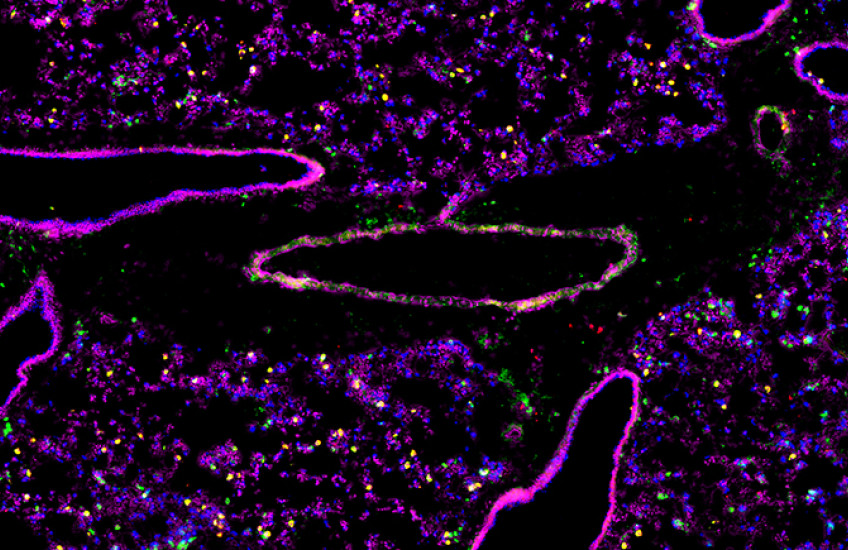
Ruth Franklin, assistant professor of stem cell and regenerative biology, will explore how the immune system — particularly macrophages — can repair lung damage after infection. The work builds on her lab’s recent discovery that a macrophage-derived factor promotes regeneration of the epithelial lining of the lung. Franklin’s findings could aid creation of regenerative strategies to enhance lung function after injury and prevent the development of diseases such as fibrosis and cancer.
“This support allows us to take bold steps toward understanding lung regeneration at a critical time when research funding is increasingly uncertain,” said Franklin. “I’m hopeful that our progress will ultimately lead to new therapies to improve the lives of patients with lung disease.”
Chimeric RNA in inflammation and neurodegeneration
Ruaidhrí Jackson, assistant professor of immunology, has pioneered the study of chimeric RNAs — naturally occurring RNA molecules that are created by the joining of different genes and that encode previously unknown proteins. In his award-funded project, Jackson will explore for the first time how this new class of Frankenstein-like proteins drives inflammatory bowel disease and neurodegenerative disorders with the goal of deepening understanding and informing new treatments for diseases of the immune system.
Brain circuits of innate and adaptive behavior
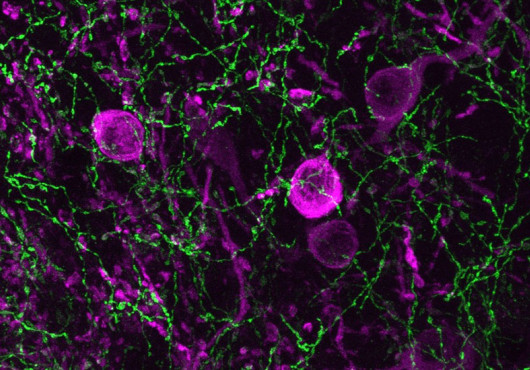
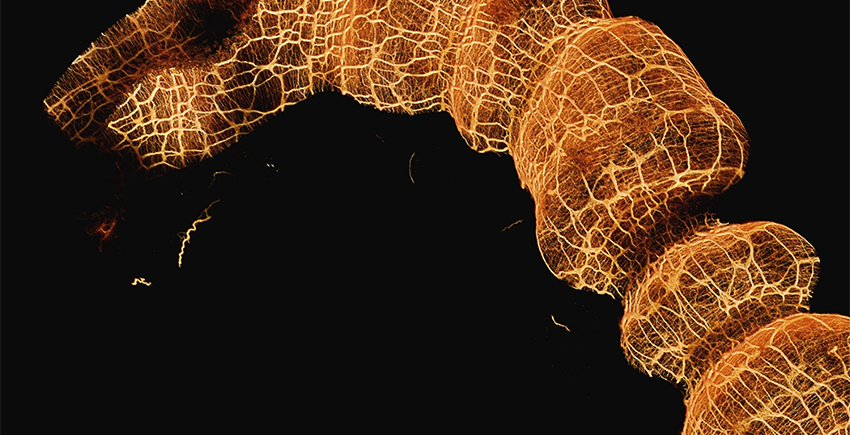
Wei-Chung Allen Lee, associate professor of neurobiology, will analyze regions deep within the brain in search of clues about how organisms choose between opposing instinctive behaviors: offense, or prey pursuit, and defense, or predator avoidance. He aims to deepen understanding of the neuronal circuits at play and how such circuits give rise to innate behaviors required for survival.
“I am honored and extremely grateful to receive this reward. At a time when curiosity-driven science faces growing headwinds, this award will allow our lab to open up and pursue new lines of research,” Lee said.
Decoding smell
Josefina del Mármol, assistant professor of biological chemistry and molecular pharmacology, proposes using machine learning to reveal the universal principles behind the chemical structures of odor molecules and organisms’ odor-detecting cell receptors. The results could provide a “Rosetta Stone” for predicting what an odorant smells like; inform development of artificial noses that detect specific odors for purposes such as disease diagnosis or environmental safety; and help combat diseases transmitted by insects that find humans by smell.
How cells make insulin and collagen
Susan Shao, associate professor of cell biology, will investigate how protein factories in our cells, known as the endoplasmic reticulum (ER), differ in certain cell types to meet specific biological demands. One aim is to understand how ER machinery in pancreatic cells produce massive amounts of insulin after glucose ingestion and how these machines change in diabetes. A second aim is to investigate a poorly understood ER complex necessary for producing collagen, which is important for bone development and health. Findings could accelerate the design of drugs that regulate insulin and collagen production.
Pursuing “restorative pharmacology” to hit an elusive cancer target
Qinheng Zheng, assistant professor of biological chemistry and molecular pharmacology, wants to chemically repair a common mutation in proteins encoded by the p53 gene — the most frequently hijacked tumor suppressor in human cancers and also one of the hardest to treat. “Undoing” the mutation to restore normal function could unlock cancer therapies for patients with that specific change in p53 and establish a method for targeting other p53 mutations.
“Receiving this support at the beginning of my independent career is both an honor and a lifeline,” said Zheng. “It gives me the freedom, despite the challenging funding environment, to pursue ambitious, high-risk ideas that can only happen in a nonprofit academic research institution yet have the potential to make a much broader impact on human health.”