
Humans’ 24-hour circadian clock plays a leading role in glucose tolerance, according to a new study. Researchers have found that, because of body’s circadian rhythm, human glucose tolerance is reduced during the evening hours, even when “day” and “night” times are experimentally reversed. Christopher Morris, instructor of medicine at tBrigham and Women’s Hospital, is a study coauthor.
Trending News
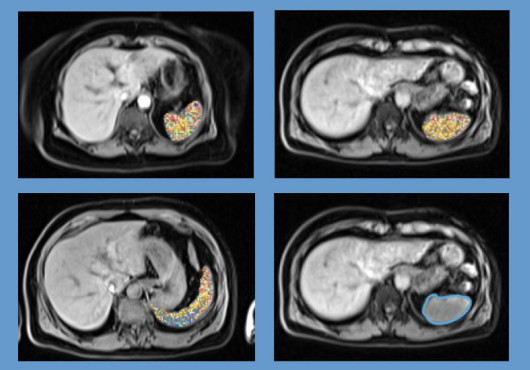
Research Provides Clues to Spleen’s Role in Coronary Artery Disease
Genetic variants may drive visible changes in the spleen that contribute to heart disease

Patient Who Received Pig Kidney Becomes First To Progress to Human Kidney Transplant
Study shows xenotransplantation can serve as a bridge for patients with end-stage kidney disease

Pilots, Flight Attendants Have Greater Risk of Radiation-Related Cancer Death Than Other Professions
Findings support efforts to protect U.S. aircrews from cosmic radiation exposure